
SS water storage tank: Types, Specs and How to Choose
Introduction
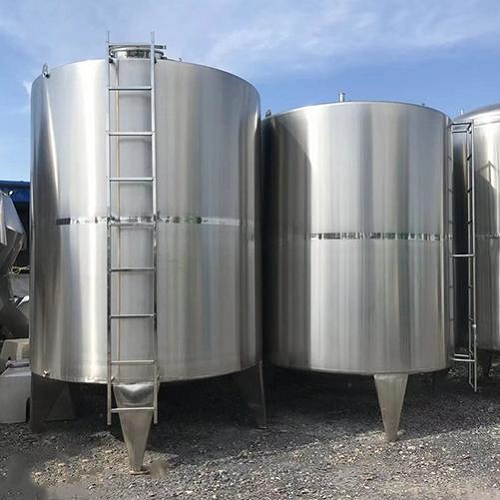
SS water storage tank is a vessel welded from food grade stainless steel that holds potable, process, or utility water. People reach for it when plastic or mild steel tanks start to smell, rust, or leach into the water. The “SS” stands for stainless steel, and the two grades you will meet most are 304 and 316L. We build these tanks in vertical, horizontal, insulated, and mobile versions, from a small unit under 1 ton for a home to a 50 ton plus unit for a factory or a municipal water project.
If you are planning a water system and not sure which tank fits, this guide walks through what the tank is, what it does, what sits inside it, how it works, why plants prefer it, where it gets used, how to choose, what accessories you can add, and why buyers come to Wanzhi for it.
what an sS water storage tank is
At its core it is a closed container made of stainless steel sheet, usually 304 or 316L, with a welded shell, a lid, and a set of nozzles for filling, drawing, draining, overflow, and venting. The shell can be a single wall or, for hot water, an insulated double wall with a polyurethane layer between the skins.
We group our stainless steel water storage tanks by shape and mounting:
- Vertical SS water tank on legs or a base, the most common type for rooftops and machine rooms. See our vertical stainless steel water storage tank.
- Horizontal SS water tank on saddle supports, used where height is limited. See our horizontal stainless steel water tank.
- Cylindrical insulated water tank with PU jacket for hot water or outdoor cold water. See our cylindrical stainless steel insulated water tank.
- 304 stainless steel water tank for normal indoor and municipal water. See our 304 stainless steel water tank.
- 5000L stainless steel storage tank as a standard capacity reference. See our 5000L stainless steel storage tanks.
what sS water storage tanks are used for
The tank itself does not treat water. It stores water and keeps it clean between the source and the point of use. In a building it buffers the supply so taps keep running during a brief outage. In a plant it holds softened, filtered, or pure water so a production line never starves. In a dairy or beverage site it often sits next to a milk cooling tank or a CIP cleaning tank as part of the same utility loop.
Because stainless does not rust or shed particles, the water stays clear and odor free. That is why food, pharma, and electronics plants pay the premium over plastic or coated steel.


core components of an sS water storage tank
A complete tank is more than a shell. The parts we supply as standard are:
- Tank body welded from stainless plate, with polished internal welds on request.
- Lid and manhole for inspection and cleaning access.
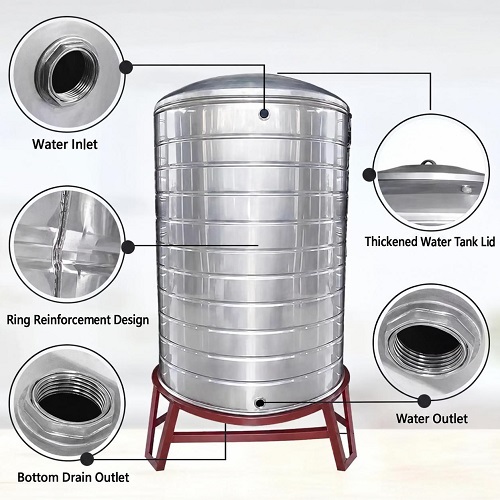
- Connections: inlet, outlet, drain, overflow, and vent, sized to your pipework.
- Support: legs for vertical units, saddles for horizontal units, or skid base for mobile units.
- Level gauge to read the water level at a glance.
- Insulation (optional) for hot water or outdoor cold water.
- Ladder or platform for large tanks that need roof access.
how an sS water storage tank works
The operation is simple. Water enters through the inlet and fills the shell. Air escapes through the vent as the level rises. When a tap or pump draws water, the level drops and the supply refills the tank. The overflow pipe protects against overfill, and the drain lets you empty the tank for cleaning or inspection.
For hot water the insulated wall slows heat loss, so the water stays warm between boiler cycles. For a closed utility loop we often pair the tank with a stainless steel pressure water tank that holds pressure so pumps start less often.


why choose an sS water storage tank
The reasons plants move to stainless are practical, not cosmetic:
- Hygienic: the smooth surface does not harbor biofilm and wipes clean.
- Corrosion resistant: no rust, no flaking coating in the water.
- Airtight: closed lid keeps out dust, insects, and algae.
- Long life: a welded 304 or 316L tank runs for years with little upkeep.
- CIP ready: it connects to a clean in place loop for automated washing.
- Customizable: capacity, shape, nozzles, and fittings follow your layout.
Against plastic, stainless wins on taste, heat, and lifespan. Against coated steel, it wins because there is no coating to blister and peel into the water.

common applications of sS water storage tanks
The same tank serves very different sites:
- Home: storing tap water against outages and buffering solar or heat pump hot water.
- Commercial: centralized supply and hot water for hotels, schools, and malls.
- Industrial: pure water and cooling water for production lines where contamination would spoil the product.
- Municipal: rural water supply and temporary points such as construction sites and relief camps.
- Food and beverage: process water, CIP return, and utility water next to mixing tanks or jacketed mixing tanks.
how to choose the right sS water storage tank
Start with three numbers: how much water you need to hold, where the tank must sit, and what temperature the water runs at. Then match the build:
| Need | Recommended build | Why |
|---|---|---|
| Limited floor height, rooftop | Vertical tank on legs | Small footprint, easy gravity feed |
| Low ceiling, basement | Horizontal tank on saddles | Fits under pipes and beams |
| Hot water or outdoor cold | Insulated cylindrical tank | Holds temperature, cuts energy use |
| Pure or process water | 304 with polished welds | Clean surface, lower cost |
| Coastal or chemical site | 316L shell | Resists chloride and pitting |
| Moving between sites | Mobile skid tank | Wheels and frame for transport |
On grade, 304 covers most potable and utility water. If the tank sits near the sea or handles aggressive water, step up to 316L stainless steel sheet for the extra molybdenum that fights pitting. For the shell stock itself, 304 stainless steel coil is the workhorse grade we weld from.
Capacity follows your draw and refill rate, not just daily volume. A hotel with a morning peak needs more buffer than a steady factory line. Tell us the peak hour demand and we size the tank so it never runs dry.

accessories you can add to your sS water storage tank
A bare tank works, but most buyers add a few fittings to make it easier to run:
- Level gauge or transmitter for local reading or a signal to the control room.
- Agitator when the stored water carries a light additive that must stay mixed.
- Insulation and cladding for hot water or outdoor cold water.
- Ladder, handrail, or platform for safe roof access on large units.
- Extra nozzles for sampling, recirculation, or a CIP return line.
- Heating jacket or trace heating to hold temperature in cold rooms.
- UV or ozone port where the utility water needs light disinfection before use.
If you already run edible oil on site, the same accessory thinking applies to a stainless steel edible oil storage tank, so one supplier can standardize fittings across your line.
why choose wanzhi for your sS water storage tank
We are a manufacturer, not a trader, so the tank is built to your drawing rather than pulled from a shelf. We weld from certified 304 and 316L stock, polish the internals where food or pharma demands it, and pressure test before the tank leaves the shop. Because we also make the transport tanks, CIP tanks, and mixing tanks in the same plant, you get one point of contact for the whole water and process loop.
Lead time stays short because the steel and the workshop sit under one roof. If you need a sister material source for the plate or coil, our 316 stainless steel sheet and 304 stainless steel coil pages show the grades and certifications we build from. Send us your capacity, site photo, and water condition, and we return a drawing and a quote.
Need a quote? Tell us the capacity, installation site, and water type, and our team will size the right SS water storage tank for your line. Reach us through the contact page.FAQ
SS stands for stainless steel. It tells you the tank shell is welded from stainless rather than plastic, mild steel, or coated steel, which keeps the water clean and rust free.
304 suits most potable and utility water and costs less. Choose 316L when the tank sits near the coast, handles chlorinated or acidic water, or must resist pitting over a long service life.
A properly welded 304 or 316L tank typically runs for 15 to 25 years with basic cleaning, far longer than plastic or coated steel that cracks or blisters.
Yes. We build insulated cylindrical tanks with a polyurethane jacket that hold temperature for hot water loops, and we can add a heating jacket or trace heating for tighter control.
We build to your drawing. Capacity, shape, nozzle layout, level gauge, agitator, insulation, and ladder are all customizable, and we pressure test before shipment.
Related Products

CIP cleaning tank
Stainless Steel CIP cleaning tank CIP on-site cleaning tank Introduction A CIP cleaning tank, short…

Stainless steel sterilization tank
Stainless steel sterilization tank Stainless steel sterilization tank Introduction If your line handles anything a…
UHT sterilization tank
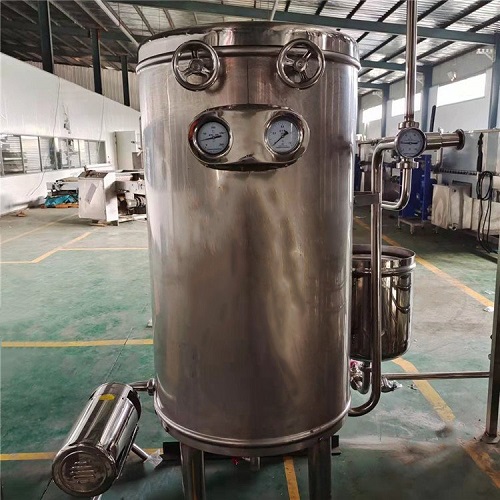
UHT sterilization tank UHT sterilization tank Introduction Every liquid food line eventually hits the same…
Vacuum degassing tank
vacuum degassing tank vacuum degassing tank Introduction If you run a juice, dairy, or soy-milk…
Stainless Steel Vertical Cooling Tank
Stainless Steel Vertical Cooling Tank Stainless Steel Vertical Cooling Tank Introduction A stainless steel vertical…
Contact Us