
Jacketed Stainless Steel Mixing Tank
Introduction
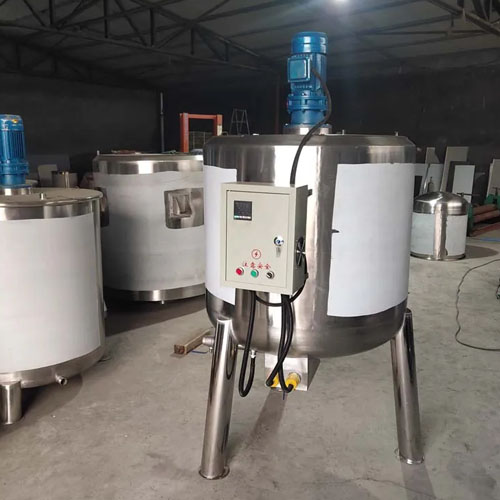
A jacketed stainless steel mixing tank is a sealed vessel that integrates a heating/cooling jacket with a high-efficiency mixing system. This equipment is typically manufactured from 304 stainless steel and is suitable for a wide range of materials, including viscous liquids, liquids, and pastes.
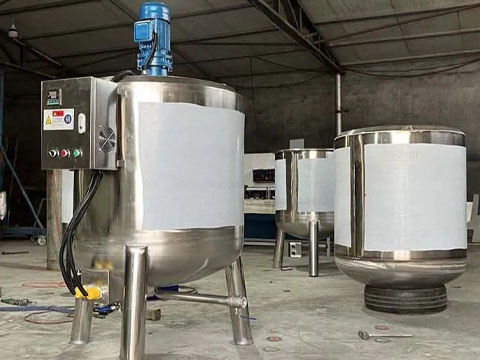
Wanzhi Machinery offers jacketed stainless steel mixing tanks in various capacities, including both top-opening and fully enclosed models. Our products feature consistent quality and a long service life. Please feel free to contact us if you have any inquiries.
Equipment Workflow
- Feeding Stage: Add materials such as liquids, powders, or slurries into the tank through the top feed port or via vacuum suction. For processes requiring pre-mixing, a portion of the base material may be added first.
- Temperature Control Preparation: Start the circulation pump and introduce the medium at the set temperature into the jacket (e.g., steam or thermal oil for heating; chilled water or ethylene glycol solution for cooling). The temperature control system receives real-time feedback from the temperature probe inside the tank and adjusts the medium flow rate or temperature to gradually bring the material in the tank to the target temperature.
- Stirring and Mixing: Activate the stirrer motor (typically driven by a reducer). The stirrer rotates at the set speed (which can be infinitely variable) to facilitate rapid heat exchange and ensure uniform distribution of components.
- Discharge: Upon completion of the reaction or mixing, discharge the material through the bottom discharge valve (e.g., ball valve, diaphragm valve). For highly adhesive materials, pneumatic or manual wall scraping can be used to assist with discharge.
Technical parameters
| Parameter Items | Typical Range/Options |
| Effective Volume | 100L ~ 50,000L (50 tons) |
| Equipment Material | 304 Stainless Steel |
| Inner Tank Thickness | 3mm ~ 12mm (calculated based on volume and pressure) |
| Jacket Type | Standard Jacket / Coil Jacket / Honeycomb Jacket |
| Heating Medium | Steam, Hot Water, Thermal Oil, Electric Heating (Direct Heating Jacket) |
| Cooling Medium | Cooling Water, Glycol Aqueous Solution, Chilled Brine |
| Working Pressure | Inner Tank: Atmospheric Pressure ~ 0.6MPa; Jacket: 0.2~0.8MPa |
| Working Temperature | -10℃~180℃ (Special designs up to 250℃) |
| Agitation Type | Paddle Type, Anchor Type, Frame Type, Spiral Type, Turbine Type, Dispersion Disc Type |
| Agitation Speed | 0~200 rpm (Stepless Frequency Conversion) |
| Motor Power | 0.55kW ~ 45kW (based on volume and viscosity) |
| Surface Treatment | Inner Mirror Polished (Ra≤0.4μm), Outer Matte or Brushed |
| Interface Standard | Sanitary Quick-Opening Clamps / Flange Connection |
| Installation Method | Vertical Fixed Type (Feet or Lugs) |
Note: Custom products can be designed to meet specific customer process requirements, including vacuum-type, pressure-type, explosion-proof, and insulated models.
Structural Composition
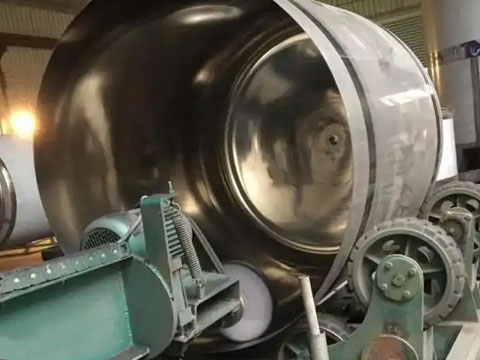
- Tank (Inner Tank): The area in direct contact with the material is constructed from a single piece of SUS304/316L stainless steel. The wall thickness is designed based on volume and pressure-resistant requirements. It features no weld seams, and the inner surface is mirror-polished to meet sanitary standards.
- Jacket (Outer Tank): A heat exchange chamber surrounding the inner tank.
- Agitation System: Includes the agitator shaft, impeller, and mechanical seal. Impeller types can be customized as needed (paddle, anchor, frame, turbine, propeller, etc.) or configured in combinations (e.g., lower paddle + upper dispersing disc).
- Drive System: Consists of a gearbox and an explosion-proof or standard motor. Motor power is calculated based on material viscosity and tank volume. Supports variable frequency control for stepless speed regulation from 0 to rated speed.
- Shaft Sealing System: Ensures isolation between the tank interior and the external environment. Commonly uses mechanical seals or packing seals; double-face mechanical seals are employed for vacuum or pressurized conditions.
- Temperature Control System: Includes temperature sensors (PT100), jacket inlet/outlet control valves, and temperature controllers or PLC modules. Can be integrated with heating/cooling units to automatically maintain the set temperature (with an error margin of ±0.5–1°C).
- Safety Accessories: Safety valve (overpressure protection), pressure gauge, vacuum relief valve, sight glass, vent port, etc.
- Electrical Control System: Stainless steel control cabinet equipped with a touchscreen that displays temperature, speed, and operating time in real time, and supports alarm logging and data export.
Jacket Types
- Standard Jacket: Simple in structure, suitable for small to medium heat exchange areas.
- Honeycomb/Spiral Jacket: Provides excellent turbulence in the medium, resulting in high heat transfer efficiency.
- Half-Pipe Coil Jacket: Welded to the outer wall of the inner tank, offering greater pressure resistance.
Industries Served
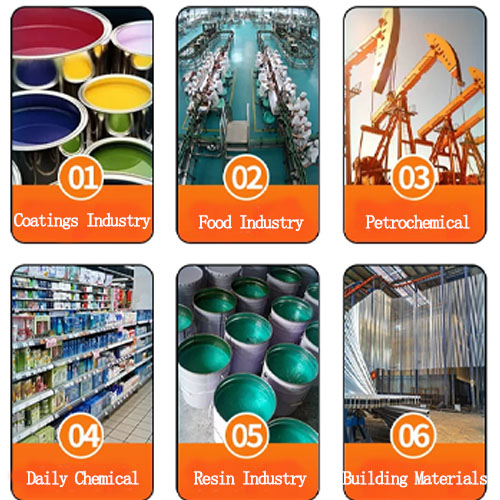
- Food and Dairy Industry: Formulation and sterilization of jams, sauces, chocolate spreads, fermented dairy products, candy syrups, and plant-based protein beverages.
- Fine Chemicals: Synthesis and formulation of dye intermediates, textile auxiliaries, adhesives, surfactants, cutting fluids, antifreeze, and more.
- Coatings and Resins: Polycondensation reactions for water-based/solvent-based coatings, acrylic resins, epoxy resins, and polyurethane prepolymers.
- Biopharmaceuticals: Culture medium fermentation, extraction and concentration of traditional Chinese medicine, ointment emulsification, oral solution preparation, and vaccine adjuvant production.
- New Energy Materials: Dispersion of lithium battery slurries (mixing of anode and cathode materials), electrolyte additives, and conductive slurries.
- Household Chemicals and Cosmetics: Emulsification and homogenization of shampoos, body washes, lotions, and creams.
- Others: Pesticide suspensions, papermaking additives, oilfield chemical treatment agents, etc.
Different types of agitators and their suitable applications:
- Paddle-type: Suitable for mixing low-viscosity liquids.
- Anchor/frame type: Suitable for medium-to-high viscosity materials; scrapes the tank walls to enhance heat transfer.
- Propeller type: Suitable for solid-liquid suspensions or high-viscosity homogenization.
FAQ About Jacketed SS Mixing Tank
Jacket heating (steam/thermal oil) is suitable for large-scale production that requires uniform temperature rise and strict temperature control. It is relatively low-cost but requires an external boiler.
Electric heating (using heating elements or heating bands installed within the jacket) does not require an external heat source and heats up quickly. It is suitable for small to medium capacities (≤3000L) or experimental stages, but operating electricity costs are higher. If the material is prone to coking, avoid localized high temperatures caused by electric heating.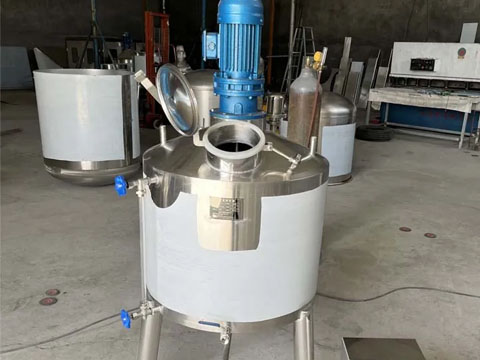
Yes. During design, the jacket can be configured with dual inlets (one for hot, one for cold) or a three-way valve to switch the medium source. The control system can automatically determine whether heating or cooling is required. For processes involving frequent temperature changes, we recommend using a honeycomb jacket to improve response speed.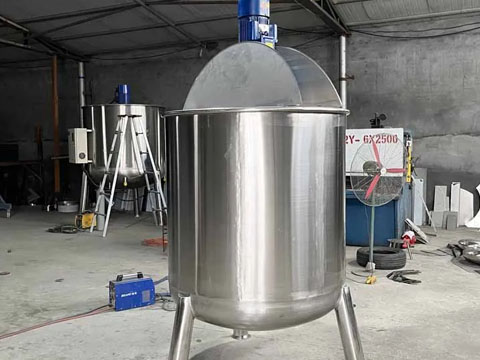
We fully support comprehensive customization with no fixed specifications.
Based on the customer’s material viscosity, corrosiveness, process temperature, and pressure requirements, we can customize the agitator type, temperature control mode, equipment volume, and material specifications. We can also manufacture models with special functions such as vacuum, pressure, and pneumatic capabilities.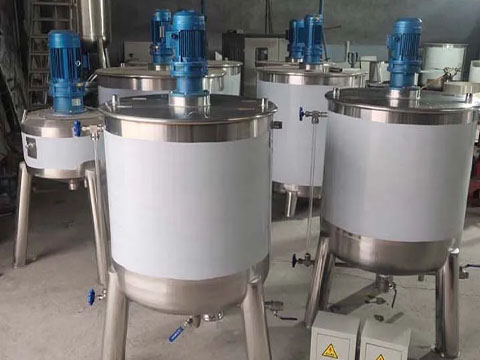
The equipment supports fully stepless speed control, allowing for free adjustment of rotational speed. Combined with interchangeable and customizable stirring structures, low speeds are suitable for viscous paste-like materials, while high speeds are suitable for liquid materials. By adjusting parameters and stirring accessories, the equipment can adapt to the production needs of materials with various characteristics, offering exceptional versatility.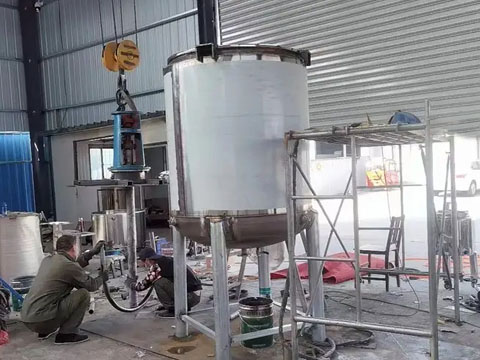
The equipment utilizes a pure copper silent motor combined with a gear reducer transmission system, resulting in minimal vibration and low noise levels. The entire unit features a robust structure, ensuring trouble-free and vibration-free operation during prolonged continuous use. It is fully compatible with 24-hour continuous factory production and offers exceptional stability.
Related Products
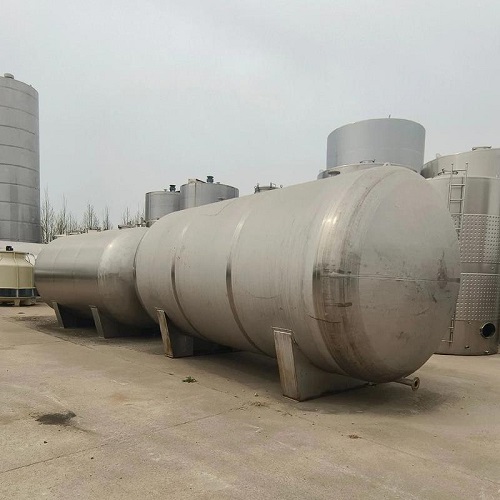
Stainless Steel Transport Tanks
Stainless Steel Transport Tanks Stainless Steel Transport Tanks Introduction Stainless steel transport tank is a…
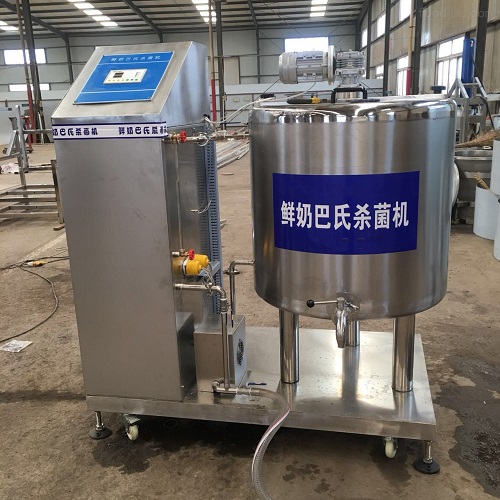
Fresh milk pasteuriser
Fresh milk pasteuriser Milk pasteurizer machine Introduction Stainless steel pasteurizers are core equipment widely used…
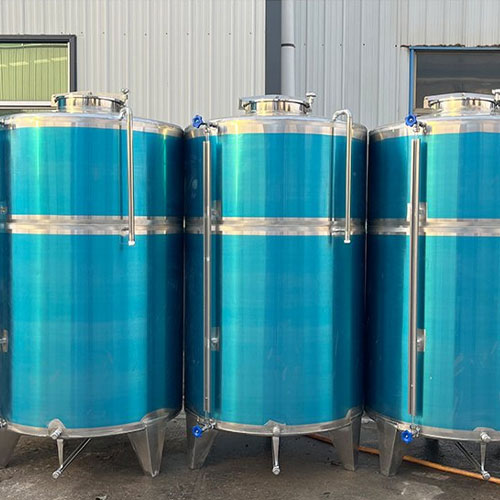
Stainless Steel Vegetable Oil Storage Tanks
Commercial Stainless Steel Vegetable Oil Storage Tanks Commercial stainless steel vegetable oil storage tanks Introduction…
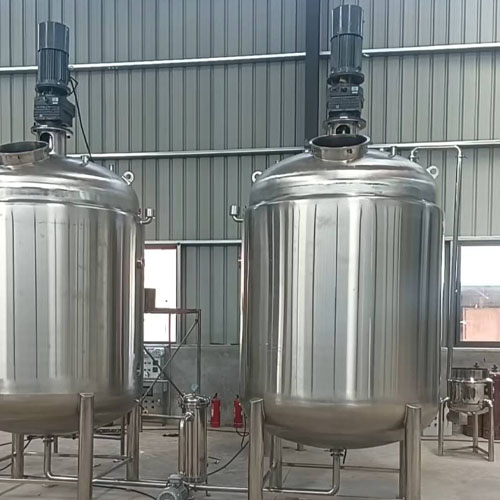
Stainless Steel Vacuum Mixing Tank
Stainless Steel Vacuum Mixing Tank Vacuum Mixing Tank Introduction A stainless steel vacuum mixing tank…
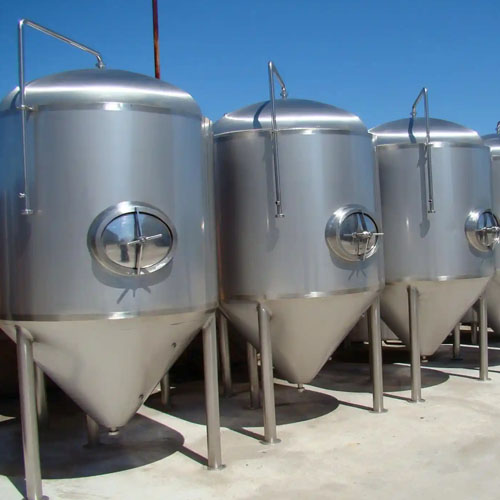
Conical Wine Fermentation Tanks
Conical Wine Fermentation Tanks Stainless steel conical wine fermentation tank Introduction Stainless steel conical wine…
Contact Us