
UHT sterilization tank
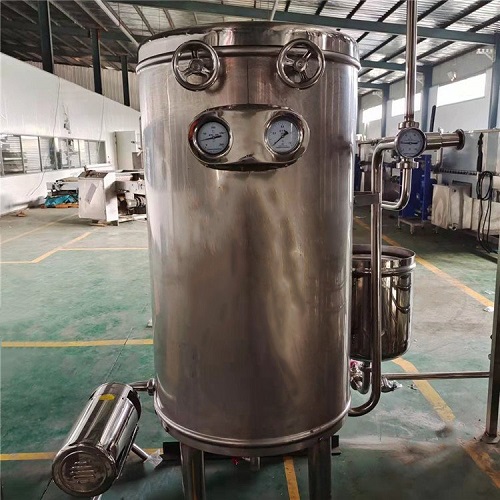
Introduction
Every liquid food line eventually hits the same wall. You make a good product, but it spoils in two weeks, and your buyer wants six months on the shelf with no preservative. Nine times out of ten the gap between those two outcomes is one piece of equipment: UHT sterilization tank.
It is a jacketed stainless steel vessel that pulls liquid up to 135 to 150°C, holds it there just long enough to kill the spoilage organisms and spores, then drops it back down before filling. Get that tank right and you stop fighting refrigeration and start shipping at room temperature.
What “UHT” Actually Means Here
UHT is ultra-high temperature processing. The target is roughly 135 to 150°C held for a few seconds. That window is short on purpose. Hold it long enough and you sterilize, but you also start cooking flavor and burning vitamins. Hold it too short and you leave survivors. A few seconds at that temperature is the spot where you get commercial sterility without wrecking the product.
Pasteurization sits much lower, around 72 to 85°C, and holds longer. It kills the pathogens that make people sick but leaves some spoilage organisms alive, so the product still needs cold chain. That is the real difference, not the temperature number by itself.
A UHT sterilization tank is the batch or semi-batch form of this process. You fill it, heat through the jacket, hold at temperature under control, cool, and discharge, all in one sanitized vessel. It is the tool you reach for when volumes are modest, recipes change often, or the product does not justify a full continuous line.
If your throughput is steady and high, say 1 to 10 tonnes per hour of dairy or juice, a continuous tubular or plate UHT sterilizer is usually the better buy. We cover fresh milk pasteurizers and milk pasteurizer machines on their own pages. This article stays on the tank.
How a UHT Sterilization Tank Works
The idea is simple, which is exactly why plants trust it. You have a double-wall vessel, a heating medium in the jacket, and a control loop that will not let the temperature wander. Day to day the cycle looks like this:
- Fill — Cold product is pumped in. Everything the product touches is 304 or 316L stainless, polished so it actually cleans.
- Heat — Steam or electric elements in the jacket raise the product. Agitation keeps the temperature even so you do not get scorched spots on the wall or a cold pocket in the middle.
- Hold — When it hits the set point, say 137°C, the controller holds it for the programmed time. A few seconds for UHT. The nice thing about a tank is you can change that hold per recipe without touching the hardware.
- Cool — Chilled water or a glycol loop runs through the same jacket and brings it down fast. Fast cooling is what saves the flavor you just paid to keep.
- CIP / SIP — After discharge the tank runs a clean-in-place cycle. Before the next batch a steam-in-place pass confirms it is actually sanitized.
The units worth buying hold temperature to about ±0.5°C. That half degree is not a spec-sheet vanity number. Drift a couple degrees low and you under-sterilize; drift high and you cook the batch. Both cost you money, one quietly and one loudly.
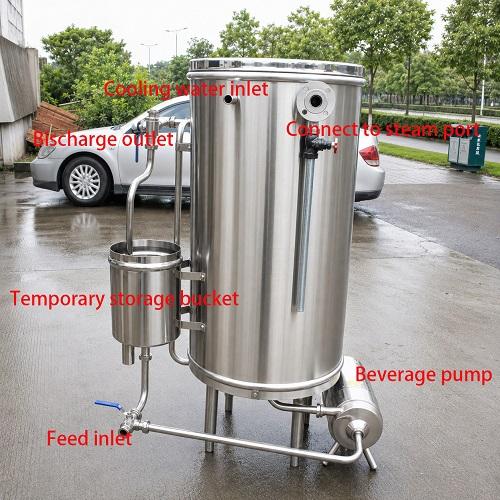
Core Components
| Component | What it does |
|---|---|
| Inner shell | Product-contact wall, 304 or 316L stainless, polished (Ra ≤ 0.8 μm typical) |
| Heating jacket | Steam or electric; wraps the shell for indirect, even heating |
| Feed pump | Stable feeding and precise flow control; CIP (In Place Cleaning) mode effectively cleans the inner walls of pipelines with greater flow rate and flushing force, ensuring hygiene and safety. |
| Temperature control | PID / PLC with ±0.5°C accuracy, programmable hold profiles |
| Insulation | Polyurethane foam layer; cuts heat loss, protects operators |
| CIP / SIP system | Automated clean and steam sterilization between batches |
| Discharge & valves | Sanitary tri-clamp fittings, no dead legs |
People ask us which part fails first. Almost never the shell. It is usually a jacket seal or a valve seat that lets the heating medium creep where it should not. That is why we spec sanitary tri-clamp fittings with no dead legs and why a proper SIP cycle matters more than buyers expect.
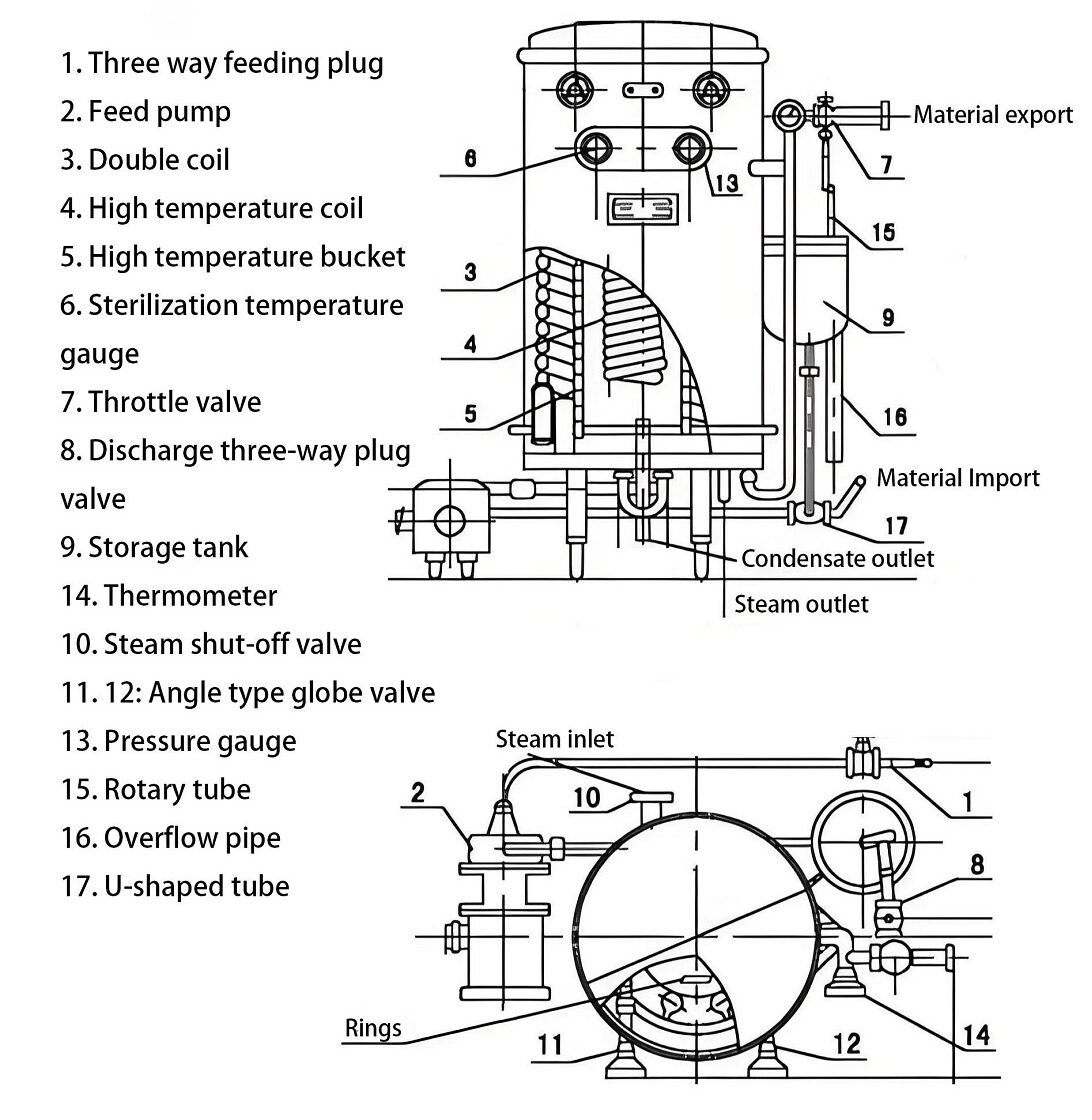
UHT Sterilization Tank: Typical Specifications
Builders differ, but a jacketed UHT sterilization tank from a competent shop lands in this band:
| Parameter | Typical range |
|---|---|
| Capacity | 50 L – 5,000 L |
| Sterilization temperature | 72–150°C (UHT mode 135–150°C) |
| Hold time | Adjustable, seconds to minutes per recipe |
| Heating method | Steam jacket or electric heating |
| Material (contact) | SUS304 or SUS316L stainless steel |
| Temperature accuracy | ±0.5°C |
| Insulation | Polyurethane, roughly 20–30% energy saving vs open heating |
| Control | PLC + touchscreen, programmable recipes |
| Cleaning | CIP automated; SIP (≈121°C steam) between batches |
The continuous form is a different animal. Those spec sheets read 500 L/H up to 10,000 L/H, sterilization at 95 to 138°C, hold of 2 to 30 seconds, steam pressure around 0.6 to 0.78 MPa, and motor power from 4 to 30 kW depending on throughput. If your volume lives there, go continuous. The tank is the lower-CapEx entry point most plants start from, and there is no shame in that.
Material: 304 or 316L
This is the same call you make on any stainless vessel, and most people get it wrong by defaulting to the cheap one. Our breakdown of 304 vs 316 stainless steel for brewery tanks covers the full logic, but for a UHT tank the short version is:
- 304 is fine for standard milk, juice, and most beverages. It shrugs off the organic acids and the routine CIP chemistry without flinching.
- 316L earns its price when you run high-acid products, coastal or high-chloride water, or aggressive chlorine sanitizers. The molybdenum in 316L resists the pitting that 304 starts at weld seams, and weld seams are exactly where tanks corrode first.
- For any welded tank, specify the “L” grade. Low carbon stops chromium depletion at the weld. Skip it and the strongest-looking part of the tank becomes the weakest.
Most UHT sterilization tanks ship in 304 with 316L on the product-contact shell as the upgrade. Match the grade to what you actually run, not to what the quote defaulted to.
Steam vs Electric Heating
Two ways to get the jacket hot, and the right one depends on what is already in your plant.
- Steam jacket — Cheaper to run if you already have a boiler. Heats fast, holds steady. The catch is you need a steam source and the safety fittings that come with it.
- Electric heating — Self-contained. No boiler, no steam permit, simpler to site. Smaller plants and labs like it because install is cheap. You pay more per kilowatt, but you are not married to a boiler.
A pattern we see a lot: buyers with no steam start electric, then move to steam once volume climbs. Either way the jacket is indirect. The product never touches the heating medium, which is what keeps it food-safe and why cleanup stays simple.

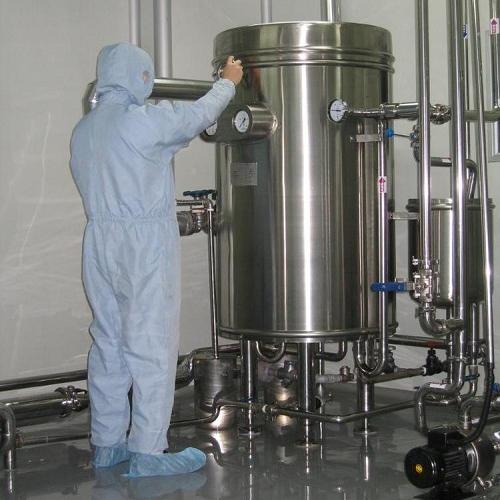
What You Can Run Through It
A UHT sterilization tank handles pumpable liquids. The usual list:
- Milk and dairy — UHT milk, cream, yogurt base
- Juice and beverages — clear and pulpy juices, functional drinks
- Soy and plant-based — soy milk, oat and other plant drinks
- Sauces and liquid foods — where a short high-temp hold buys safety and shelf life
- Wine and spirits — certain stabilization and pasteurization steps
If the product is too thick to heat evenly, put a homogenizer or high-shear unit upstream. That is a common layout for sauces and some plant-based drinks, and it is cheaper than fighting the tank.
Why Plants Choose a Tank Over Continuous UHT
Continuous UHT wins on raw tons per hour. The tank wins on everything else:
- Recipe changes — Reprogram the hold per batch. No re-plumbing a continuous line.
- Lower capital — A jacketed tank costs a fraction of a full tubular or plate system.
- Smaller footprint — Vertical, so it tucks into a tight plant.
- Multi-product — Milk in the morning, juice in the afternoon, as long as CIP and SIP between runs are solid.
That flexibility is why you find UHT sterilization tanks in mid-size dairies, beverage startups, R&D labs, and anyone running several SKUs at moderate volume. The plants that regret buying one are the ones that needed continuous throughput and bought a tank to save money. Know which you are before you quote.
Sizing and Spec Checklist
Write these down before you ask for prices, or you will get quotes you cannot compare:
- Daily volume — Size to 4 to 6 hours of processing, not your peak hour. Peak-hour sizing wastes capital.
- Product list — This decides material grade and how much agitation you need.
- Target temperature and hold — UHT (135–150°C) or pasteurization band? Per product.
- Heating source — Steam on site, or do you need electric?
- Cooling method — Chilled water, glycol, or ambient?
- Automation level — Manual, semi-auto, or full PLC with recipe memory and data logging.
- Hygiene standard — Surface finish (Ra), CIP and SIP requirements, sanitary fittings.
- Integration — Will it feed a jacketed mixing tank or an aseptic filler downstream?
Hand a supplier these eight points and the quotes line up. Skip them and every shop quotes a different assumption, so you end up comparing ghost numbers.
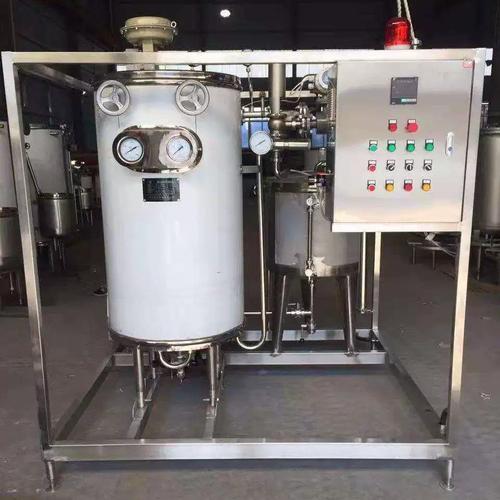
Why Plants Choose a Tank Over Continuous UHT
Continuous UHT wins on raw tons per hour. The tank wins on everything else:
- Recipe changes — Reprogram the hold per batch. No re-plumbing a continuous line.
- Lower capital — A jacketed tank costs a fraction of a full tubular or plate system.
- Smaller footprint — Vertical, so it tucks into a tight plant.
- Multi-product — Milk in the morning, juice in the afternoon, as long as CIP and SIP between runs are solid.
That flexibility is why you find UHT sterilization tanks in mid-size dairies, beverage startups, R&D labs, and anyone running several SKUs at moderate volume. The plants that regret buying one are the ones that needed continuous throughput and bought a tank to save money. Know which you are before you quote.
Why Buy From Wanzhi
We build stainless steel tanks including jacketed UHT sterilization vessels in 304 and 316L contact-surface builds, with electric or steam jackets, variable-speed agitation, PU insulation, and PLC control holding ±0.5°C. CIP and SIP ship as standard, not as a paid option. That detail matters more than it sounds, because the shops that charge extra for SIP are the ones whose tanks quietly fail hygiene audits.
If you need a broader cook-and-sterilize job in one vessel, our electric heating jacketed kettles use the same jacketed, sanitized construction. And when your volume outgrows the tank, we will tell you to move to a continuous line instead of selling you a bigger batch unit you do not need.
We have put sterilization and tank systems into food and beverage plants across a lot of countries, and the habit that serves buyers best is matching the grade and size to the actual duty. The expensive option is only the right option when your product demands it.
FAQ
Product fills the jacketed stainless vessel, the jacket (steam or electric) heats it to 135 to 150°C with agitation to keep the temperature even, the controller holds that for a programmed few seconds, then the product is cooled, often through the same jacket with chilled water or glycol. CIP and SIP cycles clean and sterilize between batches.
Pasteurization runs 72 to 85°C. It kills pathogens but leaves some spoilage organisms alive, so the product still needs refrigeration. A UHT sterilization tank hits 135 to 150°C for a few seconds, which gives commercial sterility and room-temperature shelf life without preservatives. The tank is the batch or semi-batch form; continuous tubular or plate units are the high-throughput form.
In UHT mode most reach 135 to 150°C, though the same vessel usually covers the pasteurization range (72 to 85°C) and everything between, with hold profiles you set per recipe. Accuracy is typically ±0.5°C.
304 is fine for standard milk, juice, and beverage duty. Go 316L when you run high-acid products, coastal or high-chloride water, or chlorine-based sanitizers, because the molybdenum resists pitting at the welds. For any welded tank, specify the low-carbon “L” grade. Match the material to what you actually process.
Steam is cheaper to run if you already have a boiler, and it heats fast. Electric needs no boiler, so it is simpler and cheaper to install for small plants or labs, at a higher per-unit energy cost. A lot of buyers start electric and switch to steam as volume grows. Both heat indirectly, so the product never touches the heating medium.
Size it to 4 to 6 hours of daily processing, not peak hourly output. Tanks commonly run 50 L to 5,000 L. If you need steady 1 to 10 t/h throughput, a continuous tubular or plate UHT sterilizer fits better than a batch tank.
Yes, if you run a proper CIP and SIP cycle between products. That flexibility is the tank’s main selling point, and you just reprogram the hold per recipe. Make sure the material grade suits your most aggressive product, which is usually the most acidic one.
Only if you pick steam heating. Electric models are self-contained and need no boiler, which is why they show up so often in smaller plants, R&D, and labs. Steam models need a steam source and the safety fittings, but cost less to run at scale.
Wanzhi Machinery builds stainless steel UHT sterilization tanks in 304 and 316L contact-surface configurations for food and beverage plants in 20+ countries. Talk to our engineering team about matching temperature range, material, and heating method to your products. We will spec the right tank, not the most expensive one.
Related Products
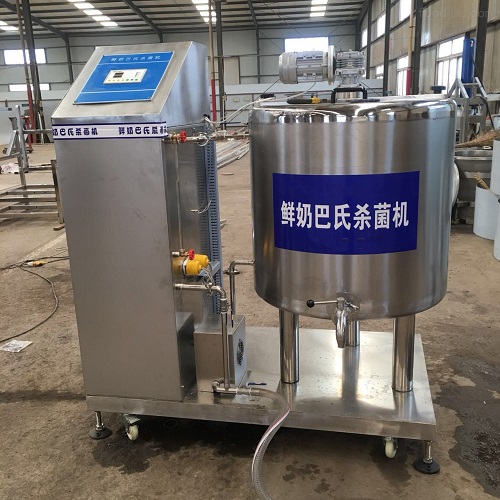
Fresh milk pasteuriser
Fresh milk pasteuriser Milk pasteurizer machine Introduction Stainless steel pasteurizers are core equipment widely used…
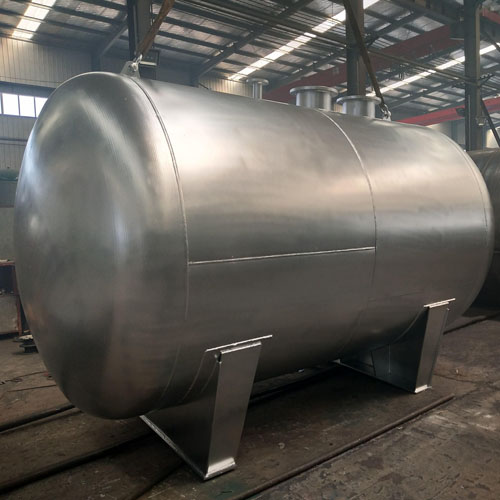
Horizontal Stainless Steel Water Tank
Horizontal Stainless Steel Water Tank Introduction Horizontal stainless steel water tanks are a common and…
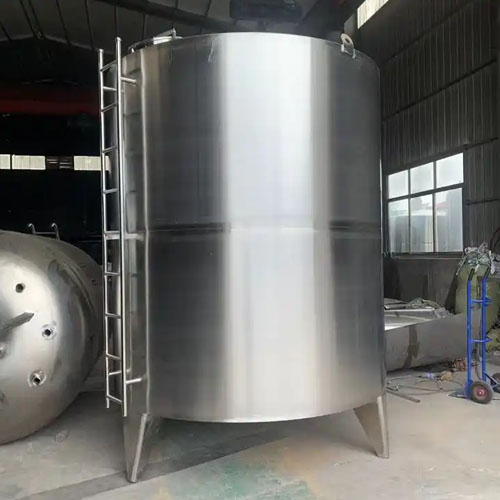
5000L Stainless Steel Storage Tanks
5000L Stainless Steel Storage Tanks 5000L Stainless Steel Storage Tank Introduction Our 5,000-liter stainless steel…
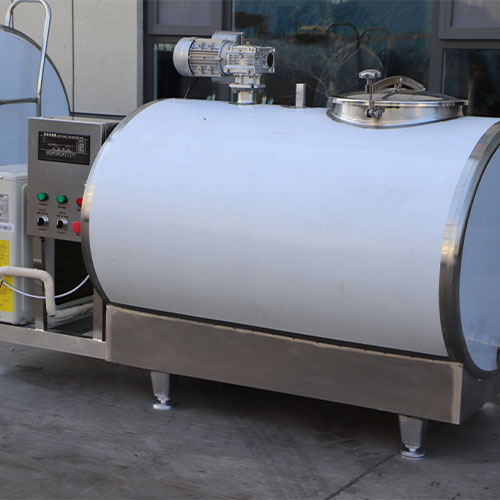
Milk Cooling Tank
Milk Cooling Tank Introduction Refrigeration tanks are the preferred equipment for preserving raw milk on…
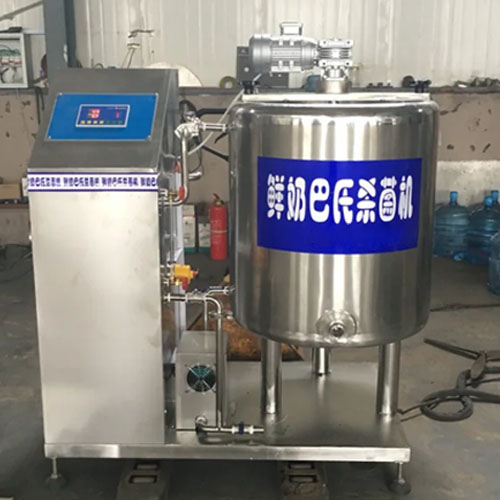
Milk Pasteurizer Machine
Milk Pasteurizer Machine Milk Pasteurizer Machine Introduction Our fresh milk pasteurizing machine is made of…
Contact Us