
Stainless Steel CIP cleaning tank

Introduction
A CIP cleaning tank, short for clean-in-place, lets a food or beverage plant wash its pipework and vessels without tearing the line apart. You run hot acid and alkali solutions through the same tanks and lines the product touches, then rinse, and the system is ready again. Plants that run dairy, juice, beer, or sauce lines rely on it because manual scrubbing of closed systems is slow and inconsistent. This guide covers what the system is made of, how a cleaning cycle runs, and how to pick a unit that keeps your line clean instead of becoming a headache.
What a CIP cleaning tank is for
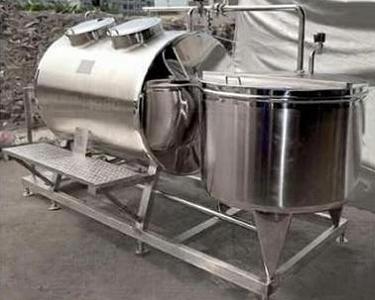
A clean-in-place system is a set of linked tanks and a pump that circulate cleaning fluid through your process equipment. The point is to clean the inside surfaces that food touches without opening the equipment. In a dairy, that means the pasteurizer, the mixing tank, and every length of pipe between them. In a brewery it is fermenters and bright tanks. The method took hold because hand cleaning of closed systems never hits the same standard twice, and it wastes labor. A CIP cleaning tank does the job with heated solutions and forced circulation, which is steadier than any person with a brush.
Beyond cleaning, the system also keeps microbial growth in check between batches. That is why it shows up in dairy, beverage, brewing, and pharmaceutical plants where a single missed spot can spoil a whole run.
How the cleaning fluid moves
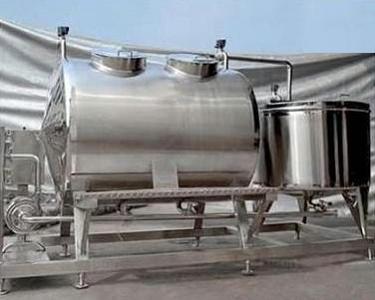
The system is built around a centrifugal pump. It pushes the cleaning solution out of the acid, alkali, and water tanks, through a distributor, and into your process line. The distributor sends fluid to the right headers so every tank and pipe leg gets flushed. Flow rate matters more than people expect. The fluid has to move fast enough to turn turbulent, because the turbulence is what scrubs residue off the wall. A sluggish loop just bathes the surface and leaves film behind. That is why the pump head and power are sized to the line, not picked at random.

Integrated vs split design
CIP cleaning tanks come in two layouts. The integrated type packs the acid tank, alkali tank, and water tank into one frame. It is compact, cheaper, and fits small lines that clean a few vessels. The split type separates those tanks and adds a hot water tank plus, on fully automatic units, concentrated acid and alkali tanks and a plate heat exchanger. Split systems serve bigger plants where one CIP set cleans many lines in rotation. Pick integrated when floor space and budget are tight and your daily cleaning load is modest. Pick split when you run continuous shifts and cannot afford the CIP set to be the bottleneck.
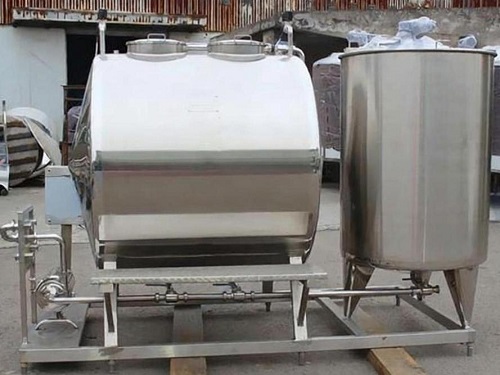

| Aspect | Integrated CIP | Split CIP |
|---|---|---|
| Tanks | Acid, alkali, water in one frame | Separate acid, alkali, water, hot water tanks |
| Floor space | Small | Larger |
| Best for | Pilot lines, small plants | Multi-vessel, continuous plants |
| Extra parts | None | Plate heat exchanger, concentrated tanks on auto units |
| Cost | Lower | Higher |
What a cleaning cycle looks like
Take a beverage line as an example. The cycle starts with a short pre-rinse of room-temperature or hot water, three to five minutes, to flush loose product out. Then comes the alkali wash, ten to twenty minutes at one to two percent concentration and sixty to eighty degrees, which breaks down fats and proteins. A mid rinse of cooler clear water follows for five to ten minutes. Some programs add a hot sanitizing step at ninety degrees or above for ten to twenty minutes. The whole pass typically lands between thirty and fifty minutes depending on soil and line length. The exact recipe is set by what you process, so a sauce line and a beer line will not run the same program.
The flow rate is not there for show. It keeps the fluid moving fast enough to stay turbulent, and the turbulence is the mechanical action that lifts residue. A cycle that looks right on paper but runs at the wrong flow will leave film no one can see until the next batch fails.
Material: 304 vs 316L
Most CIP tanks are built from austenitic stainless steel. Grade 304 handles the majority of food lines and resists the mild acids used in cleaning. When the product is salty, acidic, or cleaned with stronger chemistry, 316L earns its keep because the extra molybdenum shrugs off pitting. The weld finish and interior polish matter as much as the grade, since a rough weld traps residue. Our sister mill covers both grades in depth, from 316L plate to 304L bar and tube, if you want to read up on the metallurgy before you specify.
How to choose the right size
Size the system by the volume of the largest vessel it must clean plus the pipe it has to sweep, not by your daily throughput. A 500 liter acid, alkali, and water set suits a pilot or small line. 1000 and 1500 liter sets cover multi-vessel plants. Pump head around thirty-two meters is typical, with motor power climbing from 2.2 to 5.5 kilowatt as volume grows. Tell the supplier what you process, your daily volume, and your heating source, and they can size the tanks and pump without guesswork. Undersize and the loop never reaches turbulent flow. Oversize and you pay for fluid and floor space you do not need.
Where CIP cleaning tanks fit
The system sits behind almost every hygienic line. In dairy it cleans pasteurizers and milk tanks between batches. In brewing it handles fermenters and bright tanks. In wine it services fermentation tanks. In juice and sauce plants it keeps mixers and fillers sanitary. Because it links to the same stainless steel vessels your product lives in, the tank you clean and the CIP set that cleans it should come from the same material standard. Wanzhi builds the processing tanks a CIP set services, so the two are designed to match. That includes jacketed mixing tanks, sterilization tanks, and 304 water tanks used across these lines. See the full stainless steel tank range for the vessels a CIP set typically services.
Conclusion and next step
Choosing a CIP cleaning tank comes down to three things: layout, capacity, and control level. Integrated for small lines, split for busy plants. Size to the largest vessel plus pipe, not daily volume. Automatic control once you run continuous shifts. Get those right and cleaning stops being the weak link in your hygiene program. If you are specifying tanks for a new or upgraded line, look at the stainless steel mixing, sterilization, and fermentation tanks that the CIP set will service, and size them as one system. The steel behind those vessels comes from our sister mill, which you can read about on the Wanzhi Steel about page. Our team can help match a CIP set to your vessels and explain the material choice in plain terms, so reach out before you commit to a size.
Related Products
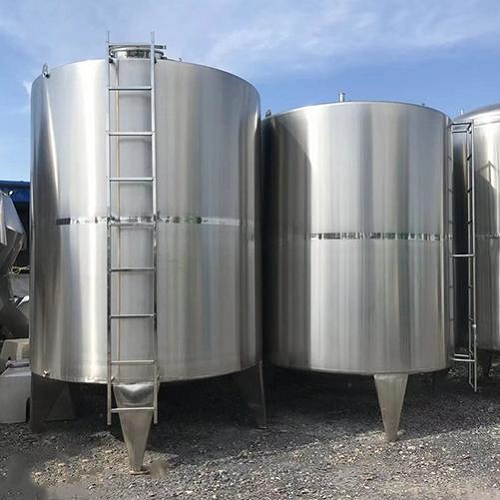
SS water storage tank
SS water storage tank: Types, Specs and How to Choose SS water storage tank Introduction…

Stainless steel sterilization tank
Stainless steel sterilization tank Stainless steel sterilization tank Introduction If your line handles anything a…
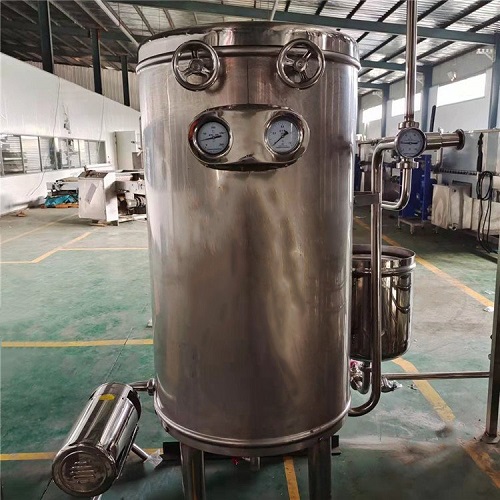
UHT sterilization tank
UHT sterilization tank UHT sterilization tank Introduction Every liquid food line eventually hits the same…
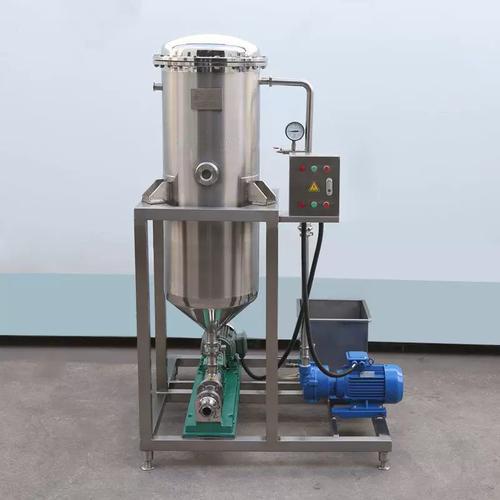
Vacuum degassing tank
vacuum degassing tank vacuum degassing tank Introduction If you run a juice, dairy, or soy-milk…
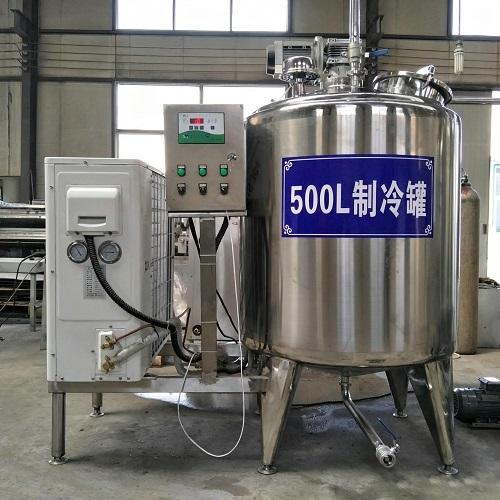
Stainless Steel Vertical Cooling Tank
Stainless Steel Vertical Cooling Tank Stainless Steel Vertical Cooling Tank Introduction A stainless steel vertical…
Contact Us