
Conical Wine Fermentation Tanks
Introduction
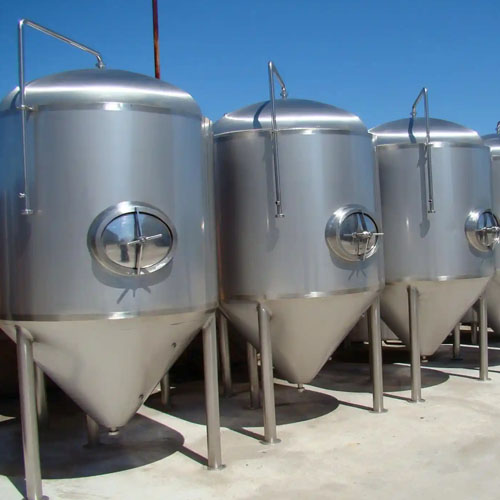
Stainless steel conical wine fermentation tanks combine the hygienic properties of food-grade stainless steel with the engineering advantages of a conical bottom design, making them the mainstream brewing equipment in the modern wine industry.
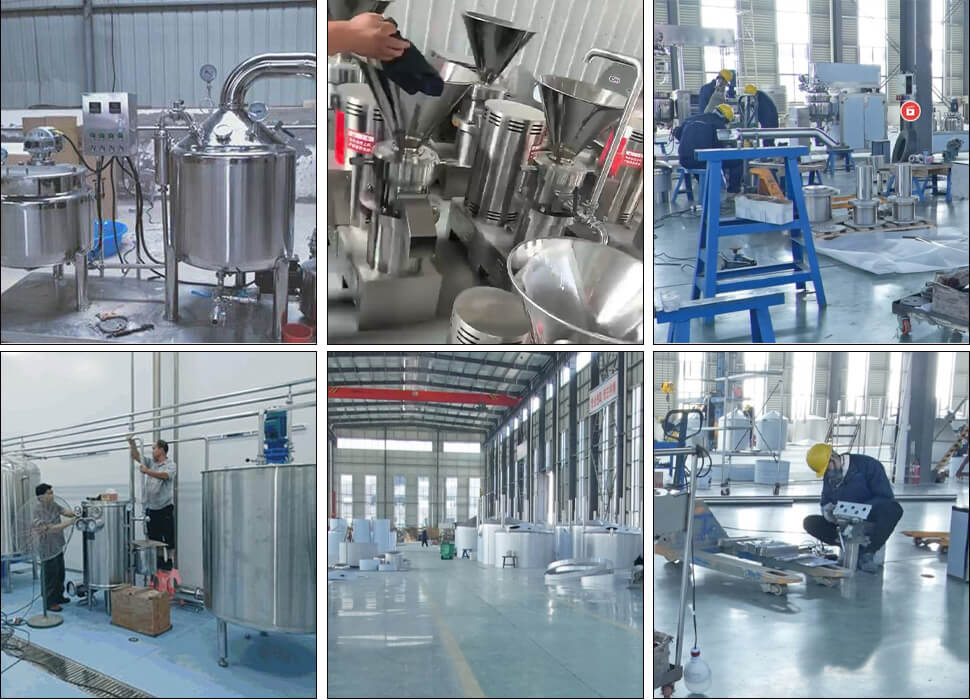
We manufacture stainless steel conical fermentation tanks in various sizes, providing high-quality winemaking equipment to a wide range of wineries. We have collaborated with numerous domestic and international companies. If you have a need for stainless steel fermentation tanks, please feel free to contact us at any time.
Specifications
| Parameters | Typical Range |
| Effective Volume | 100L / 200L / 500L / 1000L / 2000L / 5000L / 10000L (Customizable) |
| Tank Material | Inner liner: SUS304 or SUS316L, thickness 2-4mm |
| Inner Wall Polishing | Mirror polished (Ra ≤ 0.4μm), no dead corners |
| Cone Bottom Angle | 45° (General purpose) / 60° (favorable for high lees fermentation) / Customizable |
| Working Pressure | Ambient pressure (micro-pressure tanks up to 0.3MPa optional) |
| Temperature Control | Double jacket (medium: ethylene glycol/water/cooling water/steam), insulation layer: polyurethane 50~80mm |
| Standard Interfaces | Top manhole, CIP cleaning ball, safety valve, pressure gauge, thermometer sleeve, sampling valve, bottom slag discharge valve (butterfly or ball valve) |
| Optional Accessories | Level gauge, sterile air filter, refrigerant circulation pump, automatic temperature control box, casters/forklift bay |
Key Advantages of Conical Wine Fermenters
Hygienic Material, Pure Flavor
The dense, non-porous surface of stainless steel does not absorb odors or bacteria, leaving no residue after cleaning and allowing for reuse without cross-contamination. Unlike oak barrels, it does not impart additional tannins or vanilla notes, making it ideal for showcasing the varietal character of the grapes. It is particularly well-suited for aromatic white wines and wines that emphasize “terroir purity.”
Conical Bottom Design for Efficient Separation
The conical angle (typically 45°–60°) allows yeast sediment, pectin, and tartaric acid crystals to naturally settle and accumulate at the bottom valve outlet. Once fermentation is complete, simply open the lees discharge valve to completely remove the lees. There is no need for racking or filtration, which significantly reduces the wine’s exposure to air and lowers the risk of oxidation. At the same time, it makes it more convenient to recover yeast (for the next batch).
Precise Temperature Control, Reproducible Processes
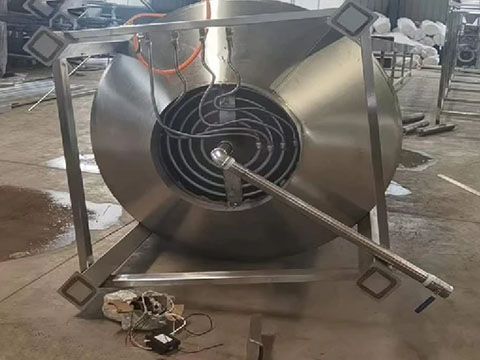
The tank can be equipped with a double-jacket system (cooling/heating), combined with temperature sensors and a circulation system, to achieve precise control within ±1°C. Whether it’s high-temperature maceration at 28°C for red wine or slow, low-temperature fermentation at 12–15°C for white wine, consistent results across batches are easily achieved.
Durable and Cost-Effective Over the Long Term
The stainless steel construction is impact-resistant, weather-resistant, and crack-free, with a service life of over 20 years. The surface is easy to clean and resistant to high-concentration cleaning agents and disinfectants, significantly reducing maintenance costs. Compared to clay or concrete tanks, it is lighter, more portable, and immune to freeze-cracking.
Highly Customizable and Flexibly Scalable
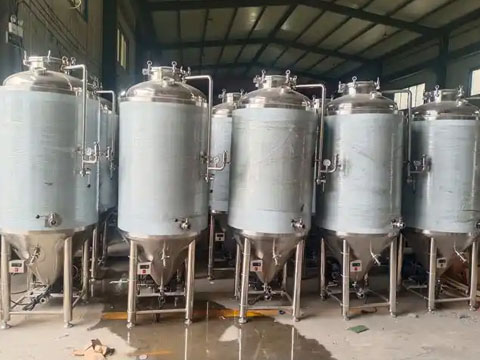
Volumes range from 50L for home use to over 10,000L for industrial applications. Optional accessories—including sampling valves, sight glasses, pressure gauges, sterile breathing valves, CIP cleaning balls, and insulation—meet the precise needs of wineries of all sizes.
Application Scenarios
- Large-scale production wineries: The standardized tank design supports continuous batch production. Its easy-to-clean, low-waste, and high-efficiency features make it perfectly suited for ton-scale production, ensuring consistent flavor and stable quality in every batch of wine.
- Small and Medium-Sized Craft Wineries: For small and medium-sized wineries with high demands for wine purity and finesse, the conical tank enables “in-situ sediment removal,” eliminating the loss and oxidation risks associated with traditional tank transfers.
- Fruit Wine Production Workshops: Also suitable for the production of fruit wines such as cider, perry, and mead; the conical bottom efficiently removes fruit pulp.
- Varietal Trials and Educational R&D: Ideal for university viticulture programs, research institutions, or winery R&D departments engaged in winemaking process development and new product testing; stainless steel conical tanks facilitate observation, sampling, and process validation.
- Wine Aging and Storage: In addition to its core fermentation function, it can be used for the settling and clarification of finished wine, short-term aging, and temperature-controlled storage, offering multi-functional use to enhance equipment utilization.
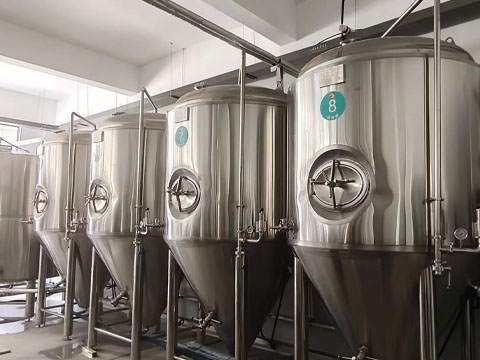
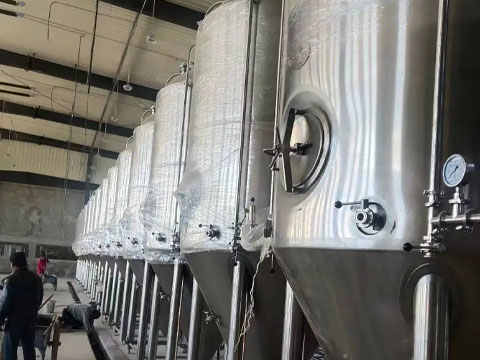
Stainless Steel Conical Fermenters vs. Stainless Steel Cylindrical Fermenters
| Comparison Dimensions | Stainless Steel Conical Fermentation Tank | Stainless Steel Cylindrical Fermentation Tank |
| Dross Removal Method | Conical bottom + bottom ball valve allows for natural flow of fermentation sludge, eliminating the need for siphoning. | Flat or slightly curved bottom, dispersed lees, requiring siphon or pump to remove the supernatant, easily stirring up sediment. |
| Liquor Clarity | Provides directly high-clarity wine, reducing filtration steps. | Incomplete separation of supernatant and lees often necessitates racking or centrifugation. |
| Oxidation Risk | The tank is completely sealed during sludge removal, preventing the wine from contacting air. | Raising or siphoning exposes the wine to air, increasing the risk of oxidation. |
| Yeast Recovery | Collects pure, highly active yeast sludge for easy reuse. | Levi contain significant impurities, making yeast recovery difficult. |
| Cleaning Difficulty | The conical bottom has no dead corners; thorough cleaning is achieved with the CIP rotating cleaning ball. | Dirty residue easily accumulates at the junction of the flat bottom and cylinder wall, potentially requiring manual cleaning. |
| Space Utilization | Vertical placement reduces floor space; multiple tanks can be flexibly arranged side-by-side. | For the same volume, the tank is relatively low in height but large in diameter, resulting in slightly lower capacity per unit area. |
| Cost | Due to the slightly more complex manufacturing process of the conical shape, the price is higher than flat-bottomed tanks of the same volume. | Lower manufacturing cost, suitable for primary fermentation stages where lees removal requirements are not high. |
FAQ
Why Choose Us?
We are a leading supplier of stainless steel tanks in China, with over 15 years of manufacturing experience and extensive export expertise. We have successfully exported our products to more than 120 countries and regions, including Russia, Kazakhstan, Saudi Arabia, Lebanon, the Philippines, Nigeria, and Romania. If you have any needs for stainless steel tanks, please feel free to contact us.
Related Products
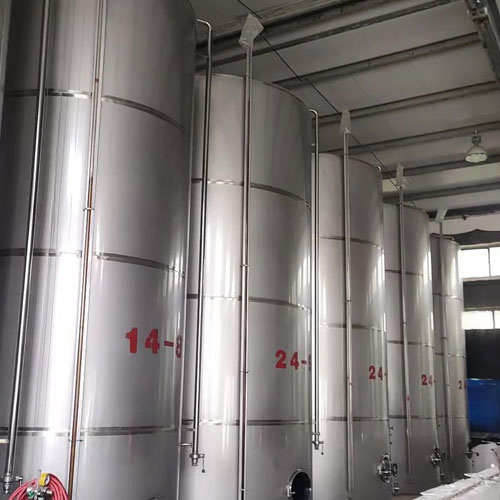
Stainless Steel Wine Storage Tanks
Stainless Steel Wine Storage Tanks Introduction Wine storage tanks are indispensable storage equipment in the…
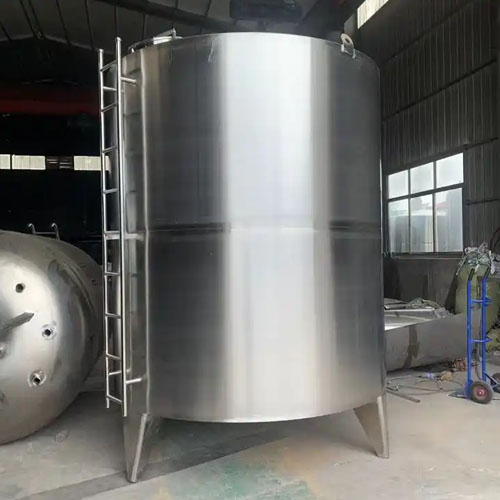
5000L Stainless Steel Storage Tanks
5000L Stainless Steel Storage Tanks 5000L Stainless Steel Storage Tank Introduction Our 5,000-liter stainless steel…
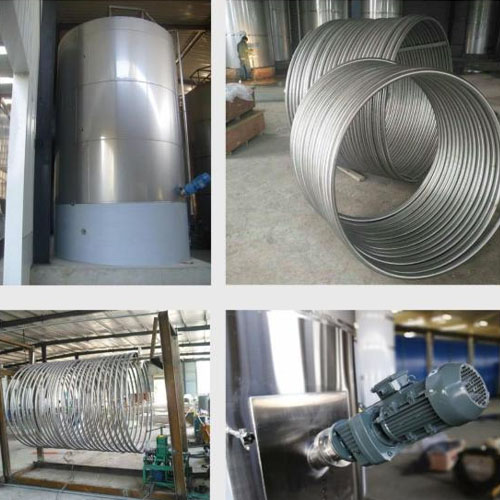
Stainless Steel Wine Cold Stabilizer Tank
Stainless Steel Wine Cold Stabilizer Tank Introduction Stainless Steel Wine Cold Stabilization Tank, also known…
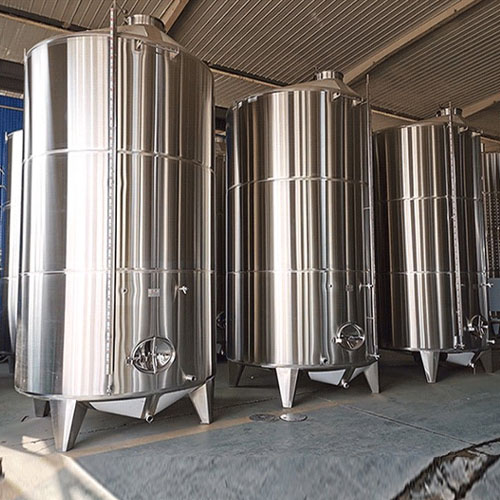
Conical Fermentation Tank
Conical Fermentation Tank Conical Fermentation Tank Introduction The conical fermentation tank is also called “straw…
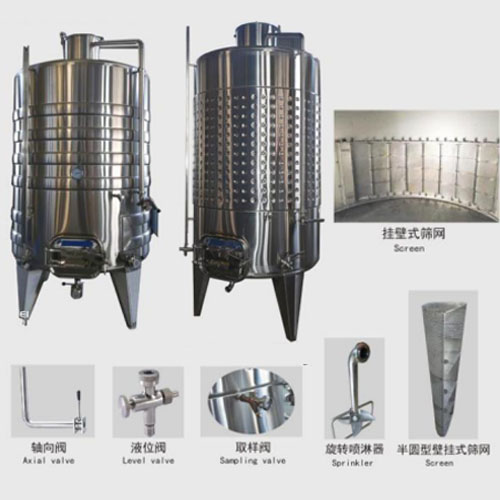
Stainless Steel Wine Fermentation Tanks
Stainless Steel Wine Fermentation Tanks Introduction Stainless steel wine fermentation tanks are essential equipment for…
Contact Us