
Double-walled Stainless Steel Reactor
Introduction
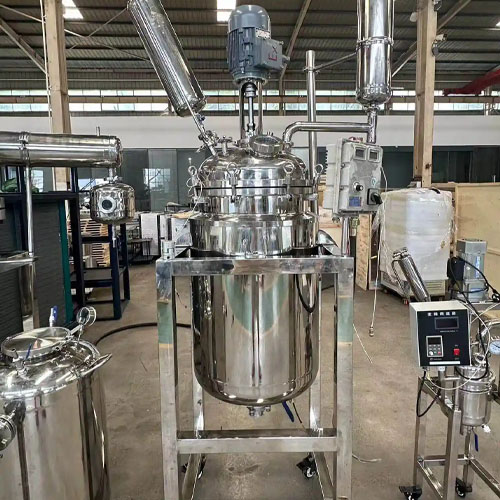
In the chemical, pharmaceutical, food, and new energy materials industries, double-walled stainless steel reactors serve as core equipment for processes such as mixing, reaction, distillation, and extraction. Combining precise temperature control, operational sealing, adaptability to various operating conditions, and safety and stability, they have become indispensable tools ranging from laboratory R&D to large-scale industrial production.
Wanzhi Machinery offers stainless steel reactors in a variety of capacities with a high degree of customization. If you have any requirements, please feel free to contact us at any time.
Working Principle
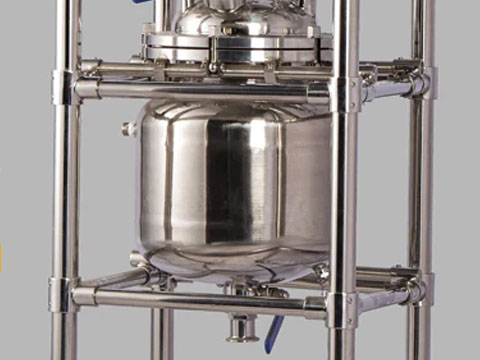
- Double-layer structure design: The equipment consists of an inner reaction vessel and an outer jacket. The inner layer is used to contain the reaction materials and perform stirring operations; the jacket, located between the inner and outer walls, allows for the circulation of heating or cooling media.
- Circulating heat exchange mechanism: Depending on process requirements, hot water, thermal oil, refrigerant, or steam is circulated through the jacket to indirectly heat or cool the materials in the inner layer via the vessel wall. The continuous circulation of the medium ensures precise temperature control.
- Multi-Condition Reaction Capability: Under set temperature conditions, the system can operate at atmospheric pressure or under negative pressure (vacuum). Materials inside the vessel are uniformly mixed by the stirrer, and a reflux condenser can be configured to collect the reaction solution via reflux or to separate it through distillation.
In short, the reaction temperature inside the vessel is controlled by the heat exchange medium within the jacket. Combined with stirring and vacuum functions, this system meets the stringent requirements of various chemical reactions regarding temperature, pressure, and mixing intensity.
Technical parameters
| Model | SF-5L | SF-20L | SF-50L | SF-100L | SF-200L | SF300L | SF-500L |
| Main Body Material | 304 or 316L stainless steel | ||||||
| Nominal Volume | 5L | 20L | 50L | 100L | 200L | 300L | 500L |
| Total Volume | 8L | 32L | 80L | 175L | 350L | 435L | 710L |
| Jacket Volume | 3L | 12L | 30L | 75L | 135L | 150L | 210L |
| Working Pressure | 0.1-0.6 MPa (positive and negative pressure selectable) | ||||||
| Jacket Pressure | 0.1-0.5Mpa | ||||||
| Working Temperature | 100-200℃ | ||||||
| Working Medium | Heat transfer oil | ||||||
| Pressure Test Type | Hydraulic pressure test | ||||||
| Spindle Seal Type | Mechanical seal or magnetic coupling seal | Mechanical seal | |||||
| Agitation Type | Anchor or frame type, customizable | ||||||
| Agitator Motor Power | 120W | 200 or 250W | 400W | 750W | 1500W | ||
| Agitator Shaft Diameter | 12mm | 20mm | 35mm | ||||
| Spindle Speed | 0-600rpm | ||||||
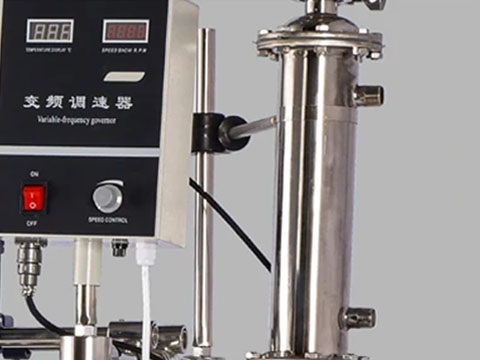
| Variable Frequency Drive Speed Control | Variable frequency dual-display speed control box | ||||||
| Cabin Lid Seal Type | Fluorocarbon gasket seal, screw-pressed type | ||||||
| Cabin Lid Opening | Agitator port, solid feed port (large sight glass), observation port (small sight glass), pressure gauge port, thermometer port, exhaust port, condenser port, constant pressure funnel port | ||||||
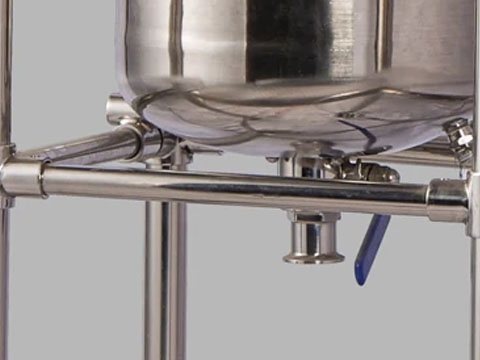
| Discharge Port | Bottom discharge valve | ||||||
| Power Supply | 220V/50HZ | ||||||
| Minimum Agitation Capacity | 2 | 4 | 10 | 20 | 30 | 30 | 50 |
| Maximum Agitation Capacity | 7 | 25 | 60 | 120 | 230 | 310 | 540 |
| Optional Expansion Functions | Lid lifting and body rotation; customizable to customer requirements | ||||||
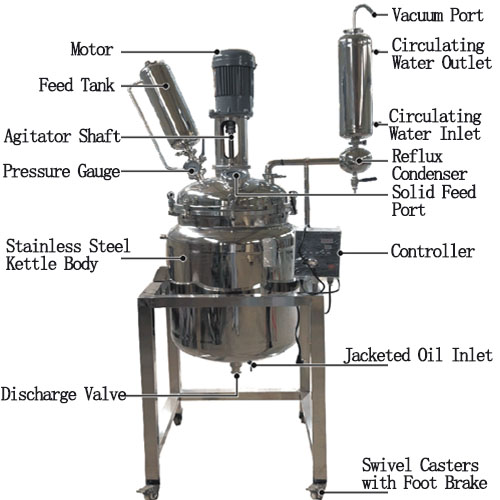
Structural Composition
| Component Names | Functional Description |
| Stainless Steel Reactor Body | Resistant to high temperature, high pressure, and corrosive materials; polished inner wall prevents adhesion and contamination. |
| Motor | Drives the stirring shaft, providing stirring power. |
| Agitator Shaft and Blades | Selective configuration (anchor, paddle, turbine, etc.) according to process requirements to ensure uniform mixing of materials. |
| Feed Tank / Solid Feed Inlet | Used for adding liquid or powder raw materials; closed operation prevents leakage. |
| Pressure Gauge | Real-time monitoring of internal pressure ensures safe operation. |
| Discharge Valve | Bottom-down or ball valve structure facilitates post-reaction discharge. |
| Vacuum Port | Connects to a vacuum pump for negative pressure distillation or degassing. |
| Circulating Water Inlet/Outlet | Connects to an external thermostatic bath to form a jacketed medium circulation loop. |
| Jacketed Oil Inlet | Used for the entry and exit of heat transfer oil or high-temperature media. |
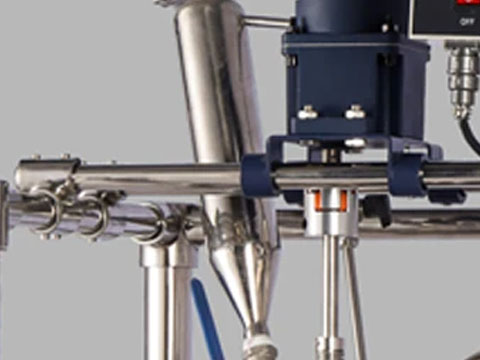
| Reflux Condenser | Condenses and refluxes evaporated gases, reducing solvent loss. |
| Controller | Integrates display and adjustment of parameters such as temperature, stirring speed, and pressure. |
| Swivel Casters (with Foot Brake) | Easy to move and fix in small to medium-sized equipment. |
In addition, depending on their capacity and application, reactors are classified into open and closed designs:
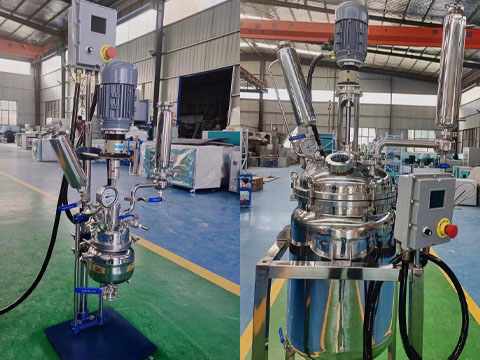
- Open design (capacity < 1000 L): The reactor vessel and upper head are connected via flanges; after disassembly, the agitator can be lifted out as a single unit, facilitating maintenance.
- Closed-type design (capacity ≥ 1000 L): The upper head is welded to the cylindrical body as a single unit. A manhole is provided, allowing operators to enter the vessel to inspect and maintain the agitator, making it suitable for large-scale equipment.
Applications of Spherical Evaporators
| Application Industries | Typical Applications | Common Size Ranges |
| Pharmaceuticals | Active pharmaceutical ingredient synthesis, traditional Chinese medicine extraction, bioculture | 50L – 2000L |
| Fine Chemicals | Resin, adhesive, and surfactant production | 500L – 5000L |
| Food Processing | Flavor fermentation, chocolate refining, vegetable oil processing | 100L – 3000L |
| New Energy Materials | Synthesis of precursors for lithium-ion battery cathode and anode materials | 1000L – 10000L |
| Universities/Research Institutions | New process exploration, catalyst evaluation, small-batch sample preparation | 1L – 100L |

Double-walled Stainless Steel Reactor Key Advantages
- Superior Materials: Constructed from 304 or 316L stainless steel, the equipment offers high-temperature resistance, corrosion resistance, and minimal deformation, making it suitable for complex reaction conditions such as those involving acids, alkalis, high viscosity, and high temperature and pressure.
- High Temperature Control Accuracy: The jacket design ensures thorough indirect contact between the heating/cooling medium and the reactants. Combined with the circulation system, this enables precise temperature control within ±1°C. Additionally, the double-walled structure effectively reduces heat loss, resulting in significant energy savings.
- Reliable Sealing: The equipment supports operation under both atmospheric and vacuum conditions. Mechanical or magnetic seals, combined with a precision pressure monitoring system, effectively prevent material volatilization, leakage, and contamination.
- Multi-functional and Highly Integrated: Supports a wide range of processes, including atmospheric pressure reactions, vacuum distillation, reflux condensation, and solid-liquid mixing, thereby reducing the risk of contamination associated with material transfer.
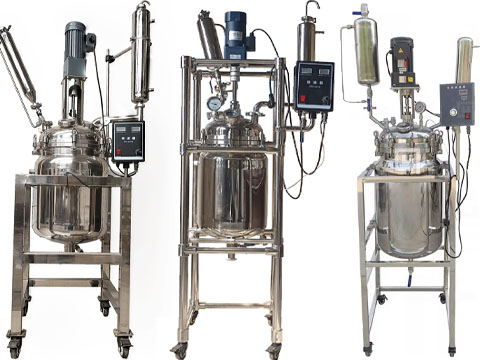
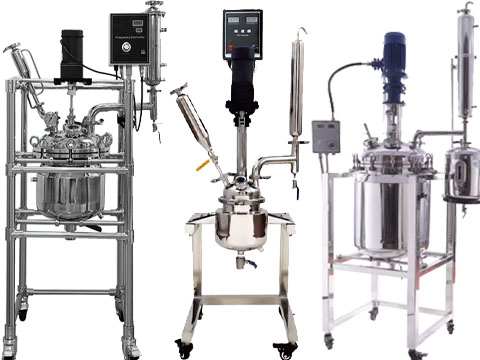
- Modular Design with Flexible Expansion: Accessories such as feed tanks, condensers, receiving tanks, and online monitoring probes can be added as needed to meet pilot-scale upscaling or process modification requirements.
Key Points for Use and Maintenance
Leak Testing
- Static Inspection: After shutting down and draining the system, visually inspect the sealing surfaces for scratches and check the gaskets for signs of aging; manually rotate the agitator shaft to ensure it turns smoothly.
- Dynamic Testing: Inject compressed air and apply soapy water to flanges, valves, and connections to observe for any bubbles.
- Precision Leak Detection: For high-demand processes (e.g., highly toxic materials), use a helium mass spectrometer or ultrasonic leak detector.
- Daily Monitoring: Record operating pressure curves; watch for unusual odors or high-pitched whistling sounds; periodically check the condition of the seal coolant.
Routine Maintenance Guidelines
- After Each Use: Drain all residual material from the reactor; clean the inner walls and stirrer blades with a suitable solvent to prevent cross-contamination.
- Weekly: Check whether the stirring motor current is stable and whether the gearbox has sufficient lubricating oil.
- Monthly: Calibrate the pressure gauge and temperature sensor; tighten flange bolts (to torque specifications).
- Every Six Months: Replace mechanical seals (depending on usage frequency); clean scale or carbon deposits from the jacket interior.
- Annually: Have a professional organization perform pressure testing and wall thickness inspection; establish an equipment health record.
Operational Safety Guidelines
- Never open the feed port or discharge valve until the pressure inside the reactor has dropped to atmospheric pressure.
- When using thermal oil for heating, ensure the oil temperature does not exceed its flash point, and install an over-temperature alarm.
- Before performing vacuum operations, verify that the glass sight glass and seals can withstand negative pressure shocks.
Double-Layer Stainless Steel Reactor Selection Guide
Step 1: Define Process Requirements
- List the material name, corrosiveness, viscosity, heat of reaction, and target output.
- If the reaction is prone to foaming or requires prolonged stirring, it is recommended to select a reactor volume that is 20% to 30% larger than the theoretically calculated value.
Step 2: Calculate the Minimum Effective Volume
- Formula: Minimum Required Volume = Maximum Batch Capacity × 1.2
- (1.2 is a safety factor to allow for headspace)
Step 3: Determine the Structural Configuration
- Volume < 1000 L → Prefer open-top design (flanged connections, easy maintenance)
- Volume ≥ 1000 L → Select closed-top design (with manhole for easy access during maintenance)
Step 4: Evaluate Site and Utilities
- Measure the height of the factory building’s door openings and the floor load-bearing capacity (jacket media accounts for 15%–25% of the total equipment weight).
- Confirm the availability of steam, cooling water, compressed air, and 380V power connections on-site.
Step 5: Comprehensive Evaluation of Cost-Effectiveness and Scalability
- Calculate the total life-cycle cost (purchase + installation + energy consumption + maintenance).
- To accommodate future production increases or process changes, it is recommended to select a vessel with a capacity 1.3 times the current demand, or to adopt a modular design (e.g., multiple small-to-medium-sized reactors in parallel).
For high-viscosity materials (e.g., chocolate, adhesives), it is recommended to increase the capacity by 30%–50%; for multi-product pharmaceutical manufacturing, it is recommended to use multiple units ranging from 200L to 2000L instead of a single large unit to reduce the risk of cross-contamination.
Conclusion
Thanks to their stable temperature control capabilities, excellent corrosion resistance, and flexible configuration options, double-walled stainless steel reactors have become a universal reaction platform in modern process industries. The right choice should be based on a comprehensive assessment of material properties, production scale, safety standards, and long-term operating costs. If you have any procurement needs, please contact us so we can help you select the product that best suits your requirements.
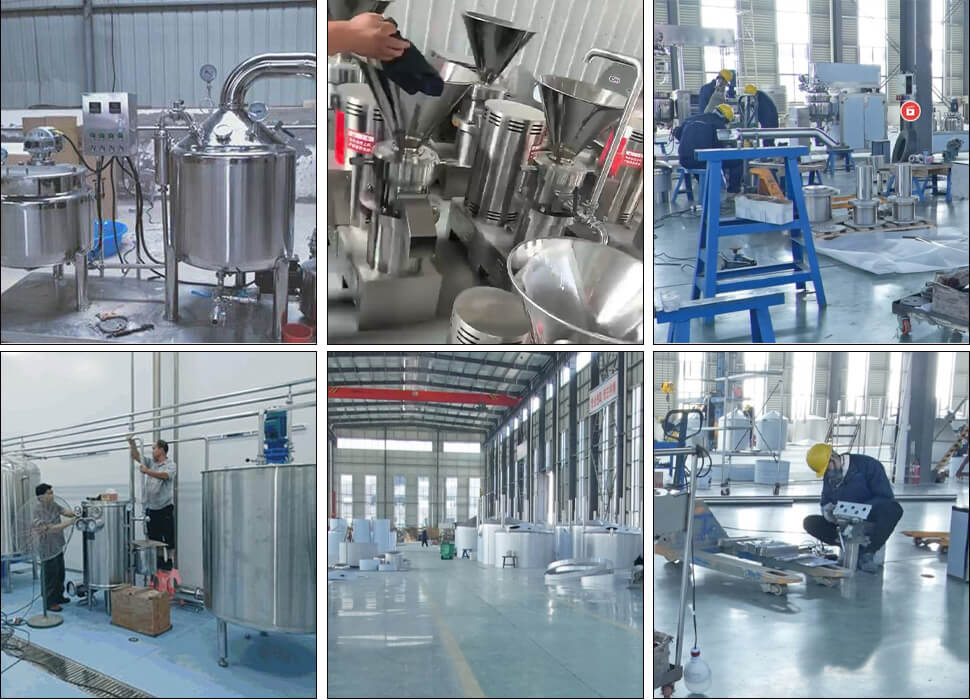
We not only supply various types of stainless steel reactors but also manufacture a wide range of food processing machinery, including stainless steel tanks and colloid mills. If you have any needs related to food processing equipment, please feel free to contact us at any time.
Related Products
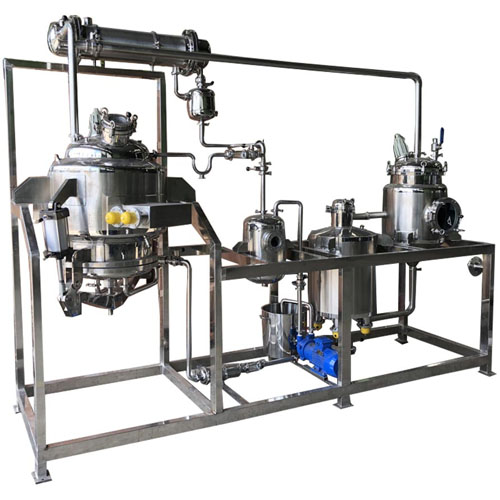
Extraction and Concentration Unit
Heat Reflux Extraction and Concentration Unit Extraction and Concentration Unit Introduction The Thermal Reflux Extraction…
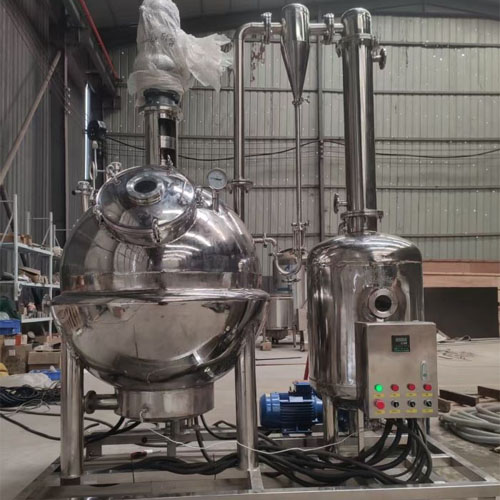
Stainless Steel Spherical Evaporator
Stainless Steel Spherical Evaporator Stainless Steel Spherical Evaporator Introduction The stainless steel spherical evaporator, also…
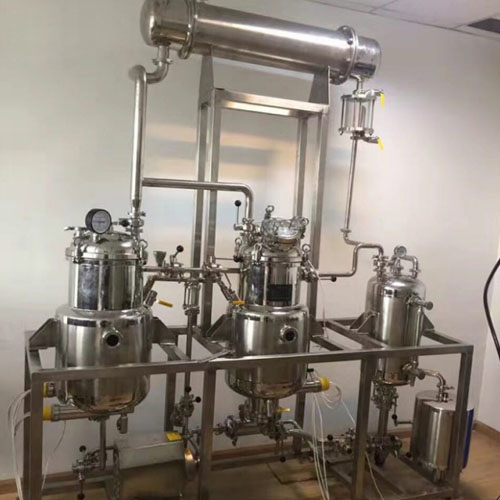
Plant Oil Extractor
Plant Oil Extractor Plant Oil Extractor Introduction Plant Oil Extraction Equipment is a modern apparatus…
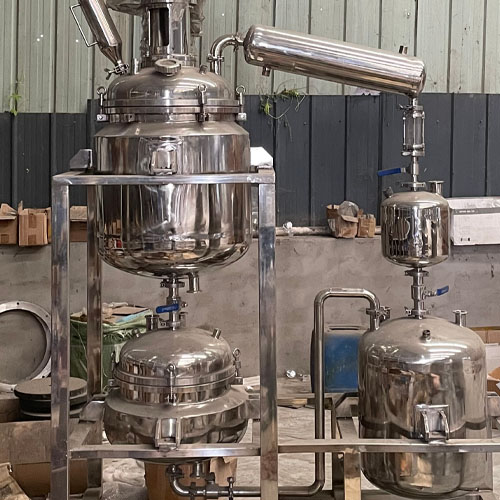
Small Extraction, Concentration
Small Extraction, Concentration, and Filtration Machine Small Extraction, Concentration Introduction This highly integrated, comprehensive, multifunctional…
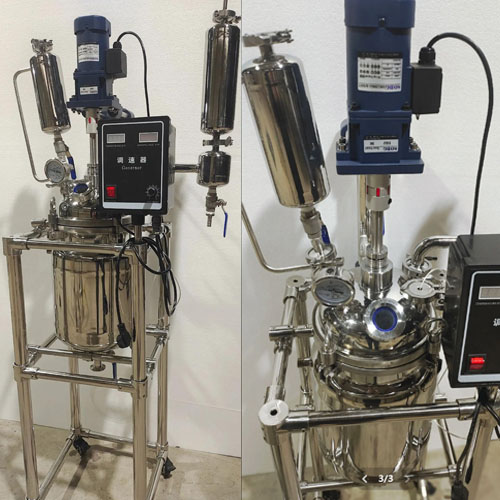
Stainless Steel Reactor
stainless steel reactor Stainless Steel Reactor Introduction Stainless steel reactors are sealed containers made of…
Contact Us