
Stainless Steel Edible Oil Storage Tanks
Introduction
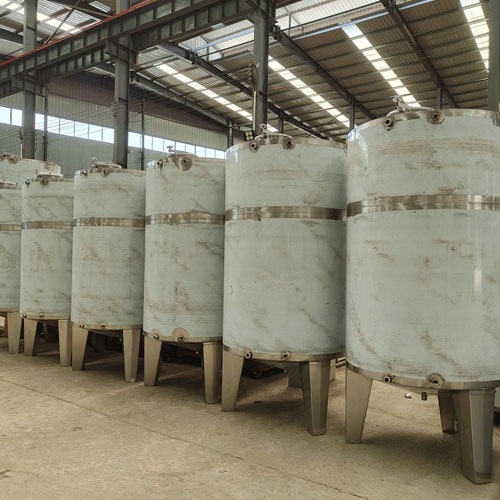
Commercial stainless steel edible oil storage tanks are specifically designed for high-frequency, high-volume oil usage scenarios, such as oil processing enterprises, small-scale oil mills, central kitchens, and restaurant chains.
Our stainless steel edible oil storage tanks are crafted from high-quality stainless steel. Combined with advanced welding techniques and user-friendly structural design, they meet the oil storage needs of a wide range of users.
Specifications
| Product Name | Stainless Steel Edible Oil Storage Tanks |
| Material | 304 / 316L |
| Effective Volume | 200L – 100,000L (customizable) |
| Tank Construction | Vertical or horizontal |
| Welding Process | TIG-welded with fish-scale pattern, double-sided forming (internal and external) |
| Inner Wall Treatment | Mirror polish (Ra ≤ 0.4 μm) |
| Outer Wall Treatment | Pickling and passivation or epoxy coating (optional) |
| Working Pressure | Atmospheric pressure (Optional breathing valve) |
| Operating Temperature | -10°C to 80°C |
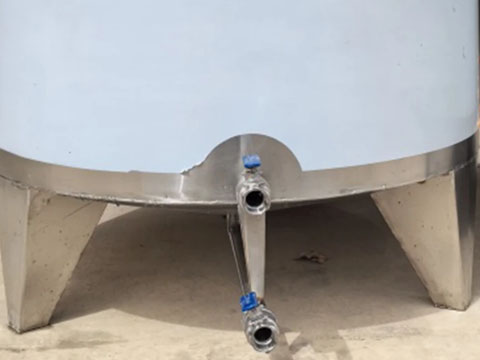
| Standard Accessories | Manhole cover, level gauge valve, discharge valve, drain pipe |
| Optional Accessories | Intelligent temperature control system (automatic adjustment at ≤25°C), CIP cleaning ball, vacuum transfer vessel, breathing valve, etc. |

Application Scenarios
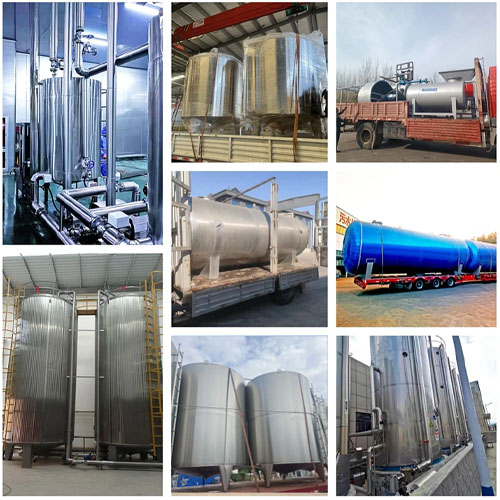
- Oil Pressing Shops / Small Oil Mills: 500L–5T oil storage tanks designed to collect fresh oil from oil presses. Equipped with level gauge valves and drain pipes to facilitate rapid bottling and sediment separation, these tanks can be integrated with our oil presses to form a complete production line.
- Food Processing Enterprises: 10T–100T large-capacity oil storage tanks, integrated with CIP automatic cleaning systems, smart temperature control, and breathing valves.
- Central Kitchens / Chain Restaurants: 1T–5T oil storage tanks, available in castor-mounted or fixed models, with discharge valves for convenient bottling.
- Edible Oil Refining/Bottling Enterprises: Multiple tanks in parallel, equipped with vacuum decanter tanks to reduce oil-to-air contact area by 83% and delay oxidation.
Selection Guide
Material Comparison
| Comparison Criteria | 304 Stainless Steel Tank | 316 Stainless Steel Tank |
| Corrosion Resistance | Chromium oxide protective film; suitable for dry or indoor environments | Contains 2–3% molybdenum, offering 30% higher pitting resistance; suitable for coastal areas, environments with frequent acid/alkali cleaning, and high-humidity conditions |
| Suitable Applications | Inland oil refineries, general warehouses, residential and commercial use | Export-oriented enterprises, seaport facilities, production lines with frequent acid/alkali cleaning |
| Relative Cost | Benchmark | Approx. 20–30% higher |
| Recommended Maintenance | Monthly inspection of the passivation film; periodic acid washing | Allows for extended cleaning intervals; passivation film is more stable |
Tips to Avoid Pitfalls: Low-quality 201 stainless steel on the market is prone to rust and leaching heavy metals; its use for storing cooking oil is strictly prohibited. When purchasing, look for food-grade certification labels and specific material stamps on the container. Avoid unqualified, low-quality containers to ensure the safety of your oil storage.
Maintenance and Care
Pre-treatment (For New Tanks)
- Use a 3.5% citric acid solution and circulate at 85°C for 30 minutes to neutralize alkaline residues and promote the formation of a passivation film, increasing density by 27%.
- Then rinse with pure water until neutral (pH 6.5–7.5) and wipe the inner walls dry before storing oil. Business Recommendation: Have our technicians provide on-site guidance before first use.
Routine Cleaning
- Prohibited: Steel wool, chlorine-based cleaners, hydrochloric acid-based products (these will damage the passivation film and cause chloride ion deposition).
- Correct Procedure: Scrub the inner walls with a neutral detergent and a soft sponge, then rinse three times with pure water (soaking for 5 minutes each time).
- Frequency: Cleaning is mandatory when changing oil types; Clean and drain at least once a month when storing the same type of oil long-term.
Regular Monitoring
- Monthly: Use a flashlight to inspect the inner walls for rust spots and check the condition of the sealing rings.
- Quarterly: Take samples to test the acid value (safe limit ≤ 0.5 mg/kg) and peroxide value of the oil.
- Commercial Smart Module (Optional): Monitors six parameters online—temperature, humidity, liquid level, metal leaching, and acid value trends—with automatic alerts for exceedances.

FAQ
Why Choose Us?
- Our stainless steel tanks are constructed from high-quality, thick-gauge stainless steel, offering excellent corrosion resistance and ensuring safety and reliability.
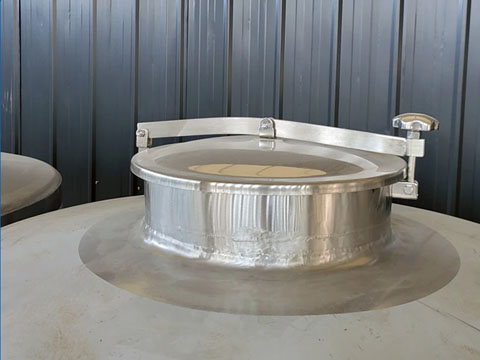
- The inner walls of our stainless steel tanks’ manholes are fitted with food-grade rubber gaskets that provide a tight, airtight seal, preventing any contamination.
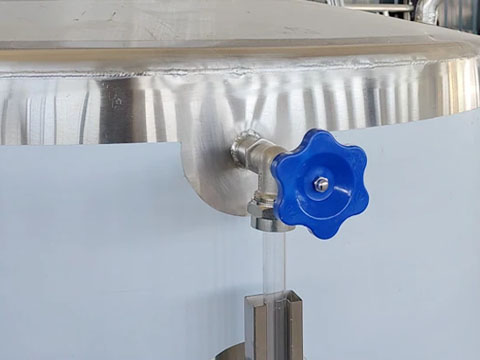
- Our stainless steel oil storage tanks are equipped with dedicated level gauge valves that operate smoothly and responsively. No tools are required, and oil levels can be read instantly.
- We use argon arc welding with a fish-scale pattern, resulting in uniform, dense welds that ensure the quality of edible oil over the long term.
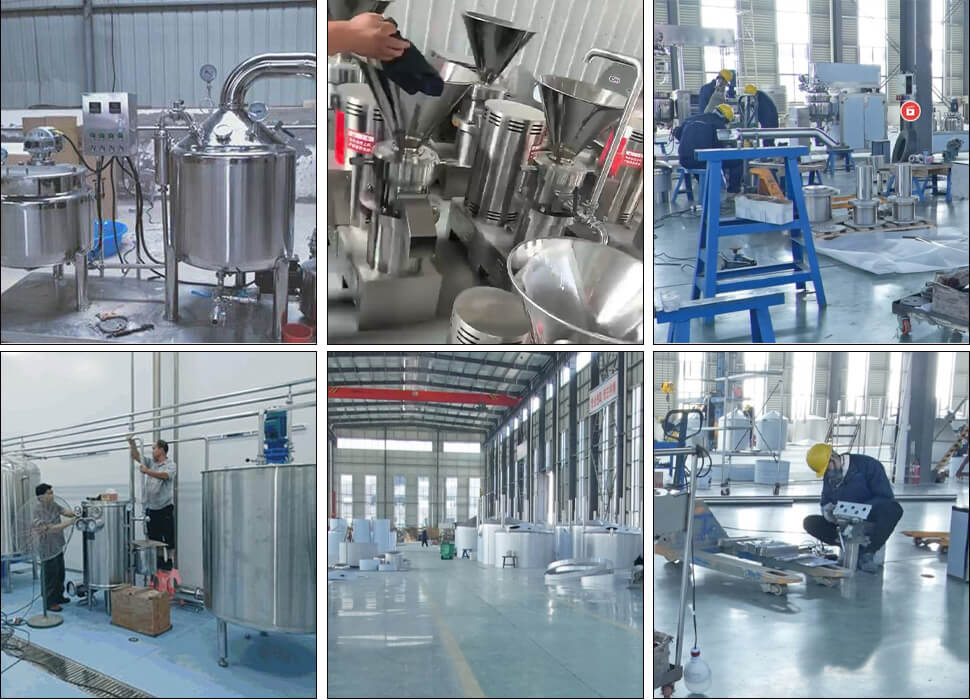
We offer not only a variety of stainless steel edible oil storage tanks but also machinery for edible oil production, such as oil presses. If you require oil extraction or storage equipment, please contact us. We specialize in customization to meet your diverse needs. For any food machinery procurement needs, please feel free to contact us at any time.
Related Products
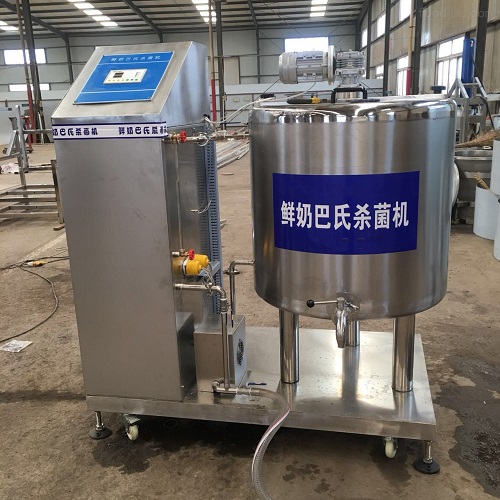
Fresh milk pasteuriser
Fresh milk pasteuriser Milk pasteurizer machine Introduction Stainless steel pasteurizers are core equipment widely used…

High and Low Speed Liquid Mixing Tanks
High and Low Speed Liquid Mixing Tanks High and Low Speed Liquid Mixing Tanks Introduction…
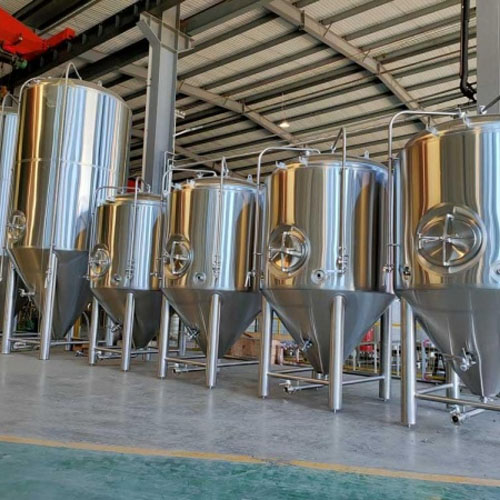
Beer Fermentation Tank
Beer Fermentation Tank Beer fermentation tanks Introduction This stainless steel beer fermentation tank is a…
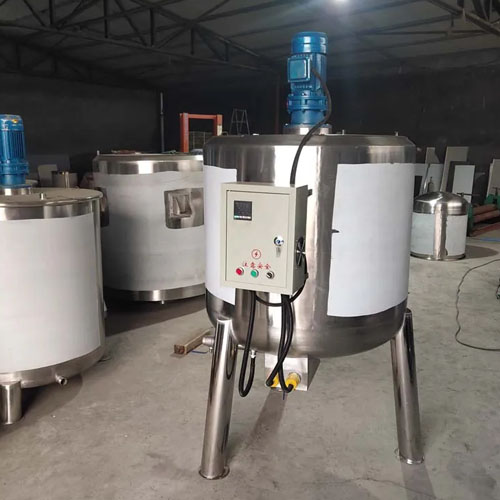
Jacketed Stainless Steel Mixing Tank
Jacketed Stainless Steel Mixing Tank Jacketed mixing tank Introduction A jacketed stainless steel mixing tank…
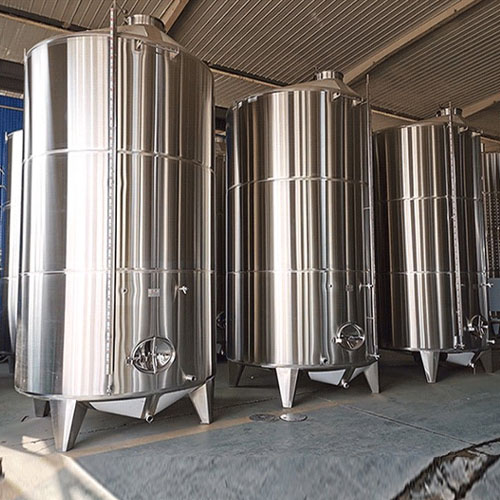
Conical Fermentation Tank
Conical Fermentation Tank Introduction The conical fermentation tank is also called “straw hat tank” or…
Contact Us