
Stainless Steel Vacuum Mixing Tank
Introduction
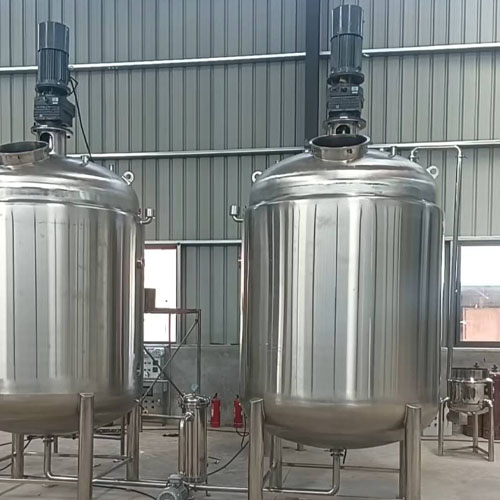
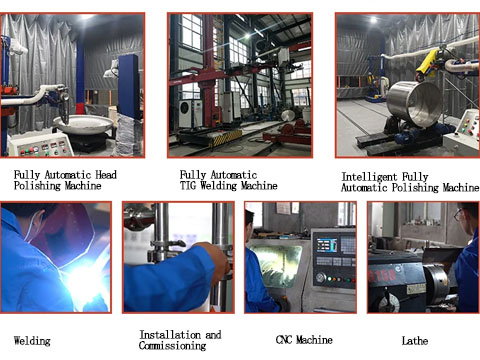
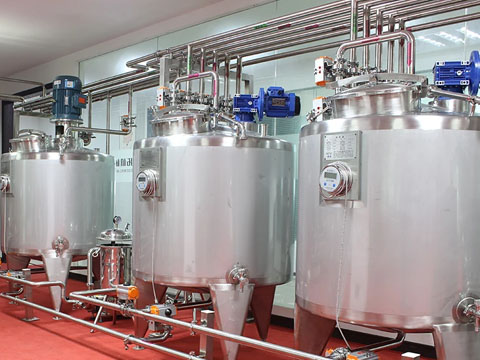
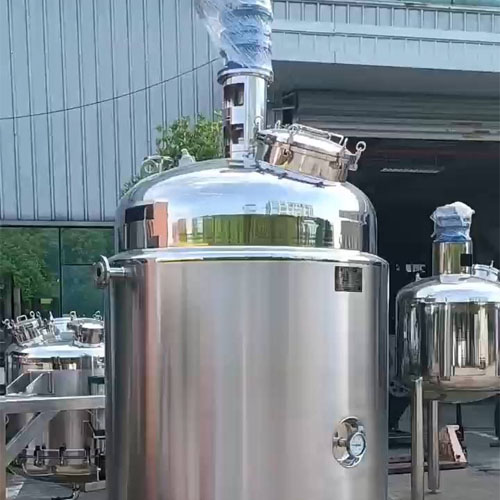
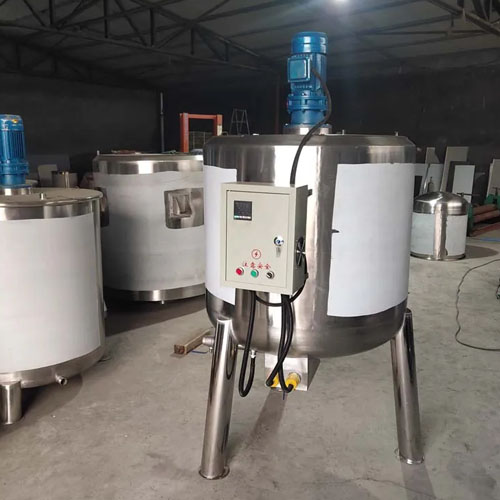
A stainless steel vacuum mixing tank is a specialized vessel capable of stirring, mixing, reacting, and degassing materials under vacuum conditions. Compared to ordinary stainless steel mixing tanks, vacuum mixing tanks are designed with thicker walls and higher structural strength to withstand negative pressure.
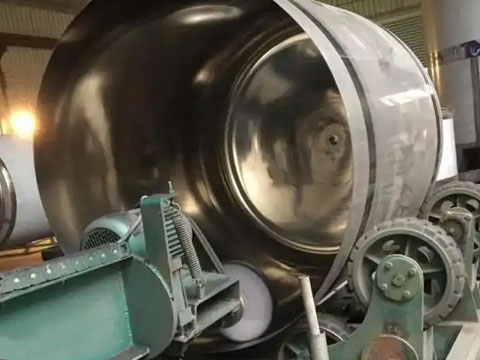
Our stainless steel vacuum mixing tanks are manufactured from high-quality 304 or 316L stainless steel. They seamlessly integrate a sealed vacuum environment with a multifunctional mixing system, isolating the material from external air to prevent interference with reactions and fundamentally resolving issues such as foaming, oxidation, separation, and deterioration.
Workflow
- Feeding → Add the material to be processed into the mixing tank through the feed port. Note that the amount of material should be kept between 50% and 70% of the tank’s total volume (depending on the material’s viscosity and foaming characteristics).
- Sealing and Evacuation → Seal the tank and activate the vacuum system to reduce the internal pressure to the vacuum level required for the process. The vacuum system indirectly extracts air from the tank via a buffer tank to prevent material from entering the vacuum pump through the piping and causing damage.
- Mixing and Processing → Activate the mixing device to mix, react, disperse, or homogenize the material under vacuum conditions. The mixing speed can be precisely adjusted via a variable frequency drive according to process requirements.
- Temperature Control (Optional) → If heating or cooling is required, temperature control can be achieved via a jacket or built-in coils, with a temperature range of -20°C to 150°C.
- Vacuum Release and Discharge → Upon completion of processing, first open the vent valve. Wait until the pressure inside the tank drops to 0 MPa before shutting off the vacuum control system to prevent material backflow. Finally, discharge the material.
Technical Parameters
| Nominal Volume | 100L | 300L | 500L | 1000L | 2000L | 3000L | 5000L | 10000L |
| Inner Diameter | 500mm | 800mm | 900mm | 1100mm | 1400mm | 1500mm | 1800mm | 2100mm |
| Heat Exchange Area | 0.9㎡ | 2㎡ | 2.7㎡ | 4.5㎡ | 7.5㎡ | 10㎡ | 13.5㎡ | 22㎡ |
| Stirring Power | 0.55KW | 0.75KW | 1.5KW | 3KW | 4KW | 5.5KW | 7.5KW | 11KW |
| Speed Rotation | Fixed speed or variable frequency speed control | |||||||
| Stirring Type | Designed and manufactured according to material properties | |||||||
| Operating Pressure | Designed and manufactured according to process conditions | |||||||
| Operating Temperature | -5℃-300℃ | |||||||
| Jacketed Heating/Cooling Medium | Steam/cooling water/heat transfer oil/refrigerant | |||||||
| Metering Method | Weighing and mixing or level metering or flow metering | |||||||
| Insulation Material | Polyurethane/rock wool | |||||||
| Pipe Configuration | Design can be customized upon request, subject to availability | |||||||
| Tank Material | SUS304/316L | |||||||
| Design Vacuum | -0.1MPa | |||||||
Structural Components
| Components | Functional Description |
| Mixing Tank | Main container, made of SUS304 or SUS316L stainless steel, capable of withstanding negative pressure. |
| Upper and Lower Heads | Sealing components at both ends of the tank, with process ports for inlet, outlet, observation, and temperature measurement. |
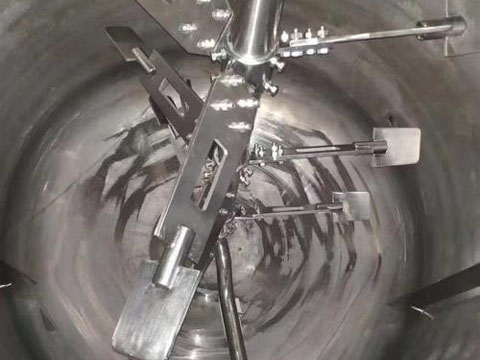
| Mixing System | Includes agitator (paddle, anchor, frame, spiral, etc.) and transmission device. |
| Shaft Seal Assembly | Typically uses a mechanical seal, consisting of a dynamic ring and a stationary ring, ensuring no leakage under vacuum. |
| Vacuum Gauge Port and Vacuum Port | Real-time monitoring of the vacuum level inside the tank, connecting to a vacuum system. |
| Heating/Cooling System | Jacketed or coiled structure, supporting electric heating, steam heating, or cooling medium circulation. |
| Control System | PLC control + touch screen operation interface, real-time monitoring of parameters such as temperature, speed, and vacuum level. |
| Support Structure | Supports the tank and transmission system, ensuring equipment operational stability. |
| Buffer Tank | Acts as a buffer between the vacuum pump and the agitator, protecting the vacuum pump. |
| Metering Device (Optional) | Real-time monitoring and control of parameters such as liquid level and flow rate. |
Core Advantages
Superior Vacuum Holding Capacity
Utilizing a high-quality mechanical seal system with a precise fit between the dynamic and static rings, it ensures stable and leak-free vacuum levels during extended operation. Equipped with a dual protection system of a vacuum pump and buffer tank, it guarantees vacuum performance while effectively preventing material backflow and equipment damage.
Excellent Degassing and De-foaming Effects
Stirring under vacuum effectively eliminates air bubbles in viscous materials, preventing anaerobic materials from being contaminated by air. The vacuum environment promotes the removal of dissolved gases and low-boiling-point components from materials, significantly improving product density and quality.
Prevention of Material Oxidation and Deterioration
The vacuum environment isolates oxygen and moisture from the air, effectively preventing oil oxidation, component degradation, and bacterial growth, making it particularly suitable for handling oxidation-sensitive materials.
Flexible and Versatile Stirring Configurations
Different stirrer types and speed configurations can be selected according to material characteristics—frame stirrers are suitable for low-viscosity liquids, while high-speed dispersing stirrers are suitable for powder-liquid mixing, meeting various process requirements from simple mixing to high-shear homogenization.
Application
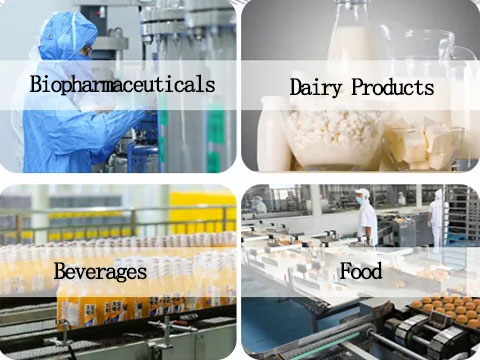
- Food Industry: Used in the preparation of chocolate, jam, cream, sauces, fillings, candies, dairy products, etc.
- Chemical Industry: Widely used in the production of synthetic resins, adhesives, sealants, coatings, inks, etc.
- Pharmaceutical Industry: Suitable for ointments, creams, medical gels, collagen concentrates, and herbal extracts.
- Cosmetics Industry: Used for vacuum emulsification and mixing of cosmetics such as face creams, lotions, lipsticks, serums, and facial masks.
- New Materials and New Energy: Suitable for lithium battery positive and negative electrode slurries, ceramic slurries, and composite material pastes.
Operating Instructions and Maintenance
Start-up and Trial Run Procedures
- After the entire machine is installed, first run it under no-load for a few seconds to check for short circuits, abnormal motor noise, and transmission jamming. If no abnormalities are found, then run the entire machine under no-load for a short period.
- For models equipped with mechanical seals, add machine oil to the mechanical seal lubrication tank before starting the main unit; for water-cooled mechanical seals, pre-circulate cooling water to ensure lubrication and cooling of the friction surfaces.
- After the no-load run is completed, check the bearing temperature rise, overall machine running stability, flange seals, vacuum instruments, and temperature and level instruments to ensure they are functioning correctly. Only after all standards are met can the machine be put into production.
Standard Operating Safety Guidelines
- Strictly adhere to the rated vacuum pressure and operating temperature indicated on the equipment nameplate. Overpressure and overtemperature operation are strictly prohibited to prevent tank deformation and seal failure due to negative pressure.
- The vacuuming and depressurization process is irreversible: After processing, open the pressure relief valve first, and only shut down the vacuum pump after the tank pressure reaches zero. Prevent material backflow that could damage the vacuum system.
- During vacuum operations, all manholes and inspection valves must be closed. Do not open the cover during operation to prevent sudden air intrusion that could disrupt the vacuum and cause material splashing.
Daily Maintenance and Cleaning Standards
- After each production day, clean the tank inner wall, agitator, shaft seals, and any residual material in the pipelines. In high-cleanliness environments such as food and pharmaceutical manufacturing, implement the CIP (Clean In-Place) process and perform regular disinfection.
- Regularly check the mechanical seal lubricating oil level and cooling water circulation status. Regularly add lubricating grease to the motor bearings. Regularly replace the vacuum pump filter and lubricating oil.
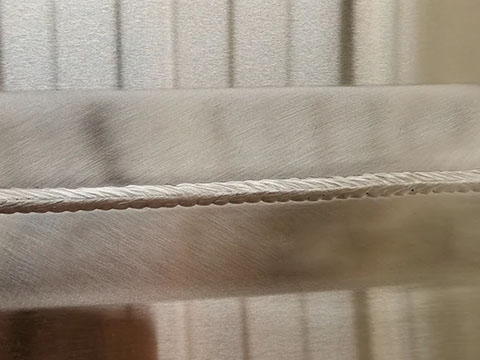
- Monthly calibrate the vacuum pressure gauge and temperature sensor. Check welds and flange gaskets for leaks and aging, and replace worn parts promptly.
- For long-term shutdowns, drain the liquid from the tank, clean and dry it, and then store it in a sealed container to prevent corrosion of the stainless steel inner wall.
Why Choose Us?
- Pre-sales service: Free process analysis, equipment recommendation, and capacity calculation; access to view similar industry projects on our website (e.g., customized mixing tank project in Uzbekistan).
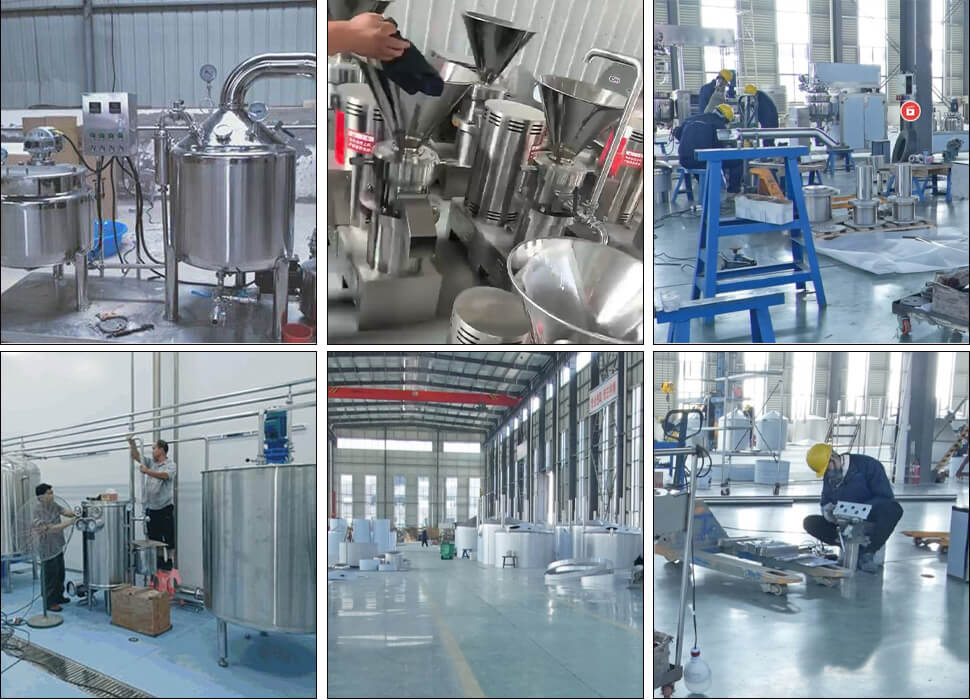
- Production control: Adherence to the ISO9001 quality management system throughout the entire process; photos/videos of production milestones are shared with clients; video factory visits and on-site inspections are supported.
- Certification guarantee: Holding ISO9001, ISO14001, ISO45001, CE, and other certifications; recognized as a model enterprise for integrity management; and a supplier certified by Alibaba International Station’s on-site factory audit.
If you have procurement needs, when contacting customer service at our website (https://wz-mach.com/), we recommend providing the following parameters to obtain accurate information. We will provide a solution and quotation within 24 hours:
- Material Basic Attributes: Material name, state (liquid/powder/paste), viscosity, pH, heat sensitivity, flammability/explosiveness;
- Production Operating Parameters: Single batch processing capacity, daily capacity, required vacuum level, operating temperature range;
- Tank Material Requirements: 304 stainless steel/316L stainless steel, mirror polishing grade, sterile/explosion-proof requirement;
- Supporting Requirements: Jacketed heating and cooling, CIP cleaning, high-speed dispersion, explosion-proof motor, remote electrical control;
- Site Conditions: Factory ceiling height, placement space, power supply voltage, steam/cold water support;
- Industry Compliance Requirements: Food SC, pharmaceutical GMP, EU export CE, and other certification requirements.
For more information on supporting stainless steel processing equipment, please visit the Wanzhi Machinery website: https://wz-mach.com/ to view the complete product line of stainless steel storage tanks, colloid mills, plant extract concentration units, fruit and vegetable washing equipment, and meat processing machinery, and obtain one-stop solutions for mixing, grinding, and storage production in the food industry.
Related Products
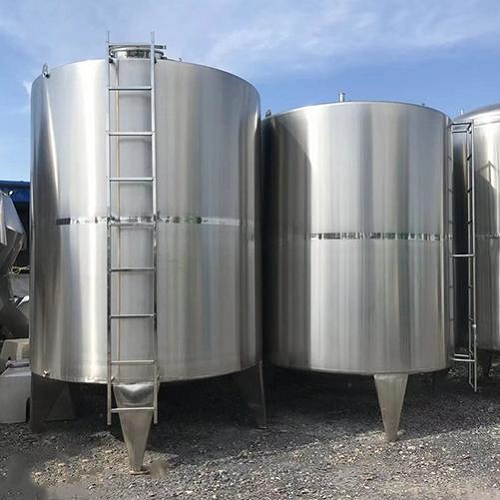
SS water storage tank
SS water storage tank: Types, Specs and How to Choose SS water storage tank Introduction…

CIP cleaning tank
Stainless Steel CIP cleaning tank CIP on-site cleaning tank Introduction A CIP cleaning tank, short…

Stainless steel sterilization tank
Stainless steel sterilization tank Stainless steel sterilization tank Introduction If your line handles anything a…
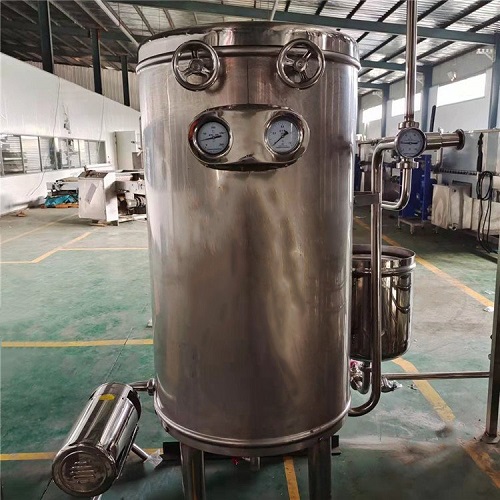
UHT sterilization tank
UHT sterilization tank UHT sterilization tank Introduction Every liquid food line eventually hits the same…
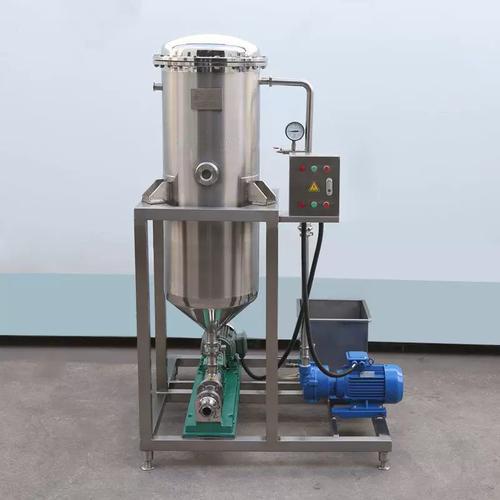
Vacuum degassing tank
vacuum degassing tank vacuum degassing tank Introduction If you run a juice, dairy, or soy-milk…
Contact Us