
Stainless Steel Transport Tanks
Introduction
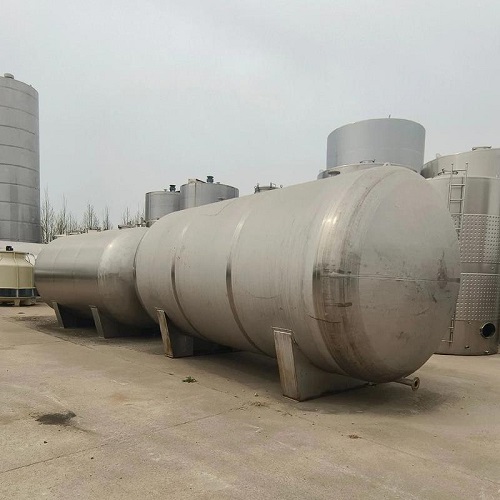
Stainless steel transport tank is a welded, pressure rated container used to safely transport liquids from one location to another.
For food, dairy, beverage, pharmaceutical, and chemical operations, the choice of grade, wall thickness, and internal finish is not cosmetic — it decides whether a batch passes audit or gets rejected at the dock. This guide walks through how these tanks are built, what they are made of, what goes inside them, and how to pick the right material for your product.
How Stainless Steel Transport Tanks Are Manufactured
Reputable manufacturers follow a disciplined, documented process so that every weld is traceable and every tank is pressure-testable. A typical build runs through seven stages.
1. Material inspection and certification
Every stainless plate arrives with a mill test certificate (MTC) confirming its grade (e.g., 304, 316L) and chemistry. Plates are laid out, measured, and inspected for surface defects before cutting.
2. Precision cutting
Plates are cut with laser, plasma, or waterjet cutters to tight tolerances. Accurate cutting reduces weld distortion later and keeps wall thickness uniform.
3. Rolling and shell forming
Cut plates are rolled into cylindrical shells using a 3-roll or 4-roll plate bending machine. For larger diameters, the shell is rolled in multiple courses and then welded end-to-end.
4. Welding
The most critical step. Professional shops use:
- TIG (GTAW) for root passes and thin sections — clean, low-spatter
- MIG (GMAW) for fill passes on thicker shells
- Submerged arc welding (SAW) for long longitudinal and circumferential seams
- Automatic orbital welding for sanitary piping
Welds on food- and pharma-grade tanks are typically purged with argon on the back side to prevent oxidation on the inner surface.
5. Surface treatment and finishing
Depending on the application, the inner surface is pickled, passivated, and polished:
- 2B finish — standard mill finish for industrial/chemical use
- No. 4 brushed (Ra ≤ 0.8 µm) — common for food tanks
- Mirror polish (Ra ≤ 0.4 µm) — dairy, pharmaceutical, and high-purity applications
Passivation restores the chromium oxide layer that gives stainless its corrosion resistance.
6. Inspection and testing
Before a tank leaves the factory it is checked with:
- Hydrostatic / pneumatic pressure test (verifies the shell holds design pressure)
- Dye penetrant or radiographic (RT) inspection of critical welds
- Leak test on seals, manways, and valves
- CIP flow / spray-ball coverage test on cleaned tanks
7. Assembly of accessories and finishing
After the shell passes test, fittings, jackets, insulation, and the control system are mounted, then the tank is cleaned, dried, and prepared for shipment.
Core Components of Stainless Steel Transport Tank
Whether you are moving edible oil, milk, solvent, or wine, the same structural elements appear on almost every transport tank.
| Component | Function |
| Cylindrical shell | The primary pressure vessel body that holds the liquid |
| Dished ends / heads | Elliptical, hemispherical, or conical ends that close the shell and distribute stress |
| Manhole / inspection port | Allows entry for cleaning, inspection, and maintenance |
| Inlet & outlet ports | Flanged or tri-clamp connections for filling and discharging |
| Saddle or skid base | Supports the tank on a truck, trailer, or frame during transport |
| Lifting lugs / eyes | Enable safe crane handling during loading and unloading |
| Baffles (baffle plates) | Reduce liquid sloshing and surge during transit |
| Vent / breather valve | Equalizes pressure as the tank fills and empties |
| Discharge valve | Bottom outlet, often with a sanitary tri-clamp or flange |
| Level indicator | Sight glass, magnetic float, or radar level gauge |
Accessories You Can Add to a Transport Tank
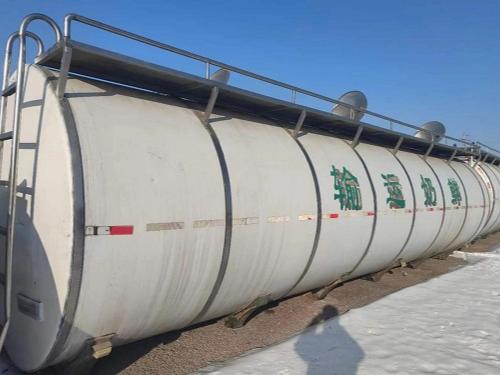
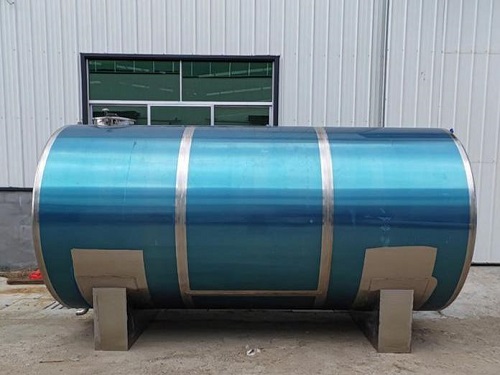
A bare shell is rarely enough. The accessories below turn a basic vessel into a purpose-built transport system.
- Agitator / mixer — keeps suspensions (e.g., chocolate, slurry) homogeneous en route.
- Heating or cooling jacket — maintains temperature for chocolate, fats, or temperature-sensitive chemicals.
- Insulation layer — PU foam or rock wool wrapped in a cladding sheet to hold temperature and save energy.
- Temperature sensor & thermometer — local dial or PT100 probe feeding a controller.
- Level gauge — side sight glass, magnetic flap gauge, or non-contact radar.
- Pressure gauge & relief valve — mandatory for pressurized or volatile liquids.
- Sample valve — take a sterile in-transit sample without opening the manway.
- CIP spray ball — fixed or rotating cleaner for automated wash cycles.
- Transfer pump — centrifugal or positive-displacement, mounted or skid-integrated.
- Dust filter / breather with filter — keeps airborne contaminants out of the headspace.
- PLC control panel — monitors temperature, level, and agitation with alarms.
For mixing and temperature control, see our stainless steel mixing tanks and jacketed mixing tanks.
What Are Stainless Steel Transport Tanks Used For?
Transport tanks serve any industry that moves bulk liquid and cannot risk contamination or corrosion.
Water treatment — potable and process water in 304 stainless steel water tanks.
Food & beverage — milk, juice, cooking oil, syrup, sauces, water.
Dairy — raw and pasteurized milk in milk cooling tanks and road tankers.
Edible oil — see our vegetable oil storage tanks for grade-specific design.
Chemical — solvents, acids (dilute), and intermediates where 316L is required.
Pharmaceutical — active ingredients and intermediates under GMP, often 316L with electropolish.
Wine & beer — fermentation and transfer, e.g. conical wine fermentation tanks.

Materials Used to Produce Stainless Steel Transport Tanks
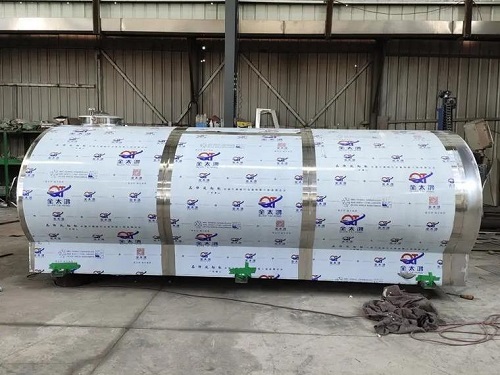
The material grade decides corrosion resistance, temperature limit, and cost. Below is how the common grades map to real-world duty.
| Grade | Key property | Typical use in transport tanks |
| 304 / 304L | Food-grade, good general corrosion resistance, economical | Milk, water, beer, soft drinks, dry food-grade liquids |
| 316L | Added molybdenum → resists chlorides, acids, seawater | Pharmaceuticals, acidic food, marine/coastal transport, salt-containing liquids |
| 310S | High-temperature oxidation resistance | Very hot liquids or sterilize-in-place at elevated temperature |
| Duplex 2205 | High strength + chloride resistance | Aggressive chemical transport, offshore, high-pressure road tankers |
| 430 (ferritic) | Lower cost, magnetic, less corrosion resistant | Non-critical, dry or mildly corrosive duty where 304 is over-spec |
How to choose
- Moving milk, water, or beer? 304L is the default food-grade choice.
- Moving brine, acidic juice, pharmaceutical, or anything near the sea? Specify 316L.
- Moving hot or pressurized chemicals? Look at 310S / Duplex 2205 with the right wall thickness.
- On a budget for non-corrosive dry goods? 430 tank may do.
All Wanzhi transport tanks are built from certified food-grade 304 or 316L stainless steel, manufactured under ISO 9001 quality control.
FAQ
A transport tank is reinforced for movement — it has saddles or a skid base, lifting lugs, baffles to reduce sloshing, and often tighter sealing. A storage tank is stationary and optimized for long-term holding rather than transit.
For most food and beverage liquids, 304L (food grade) is sufficient. Choose 316L when the product is acidic, salty, or the tank operates in a coastal/marine environment.
Most are cleaned with a CIP (clean-in-place) spray ball and food-safe detergent, followed by a rinse and, where required, sanitization. Mirror-polished 316L interiors speed up cleaning and reduce residue.
Yes. Heating/cooling jackets, agitators, insulation, and PLC controls are common add-on accessories. Tell the manufacturer your product, volume, and site constraints for a matched design.
Why Choose Us?
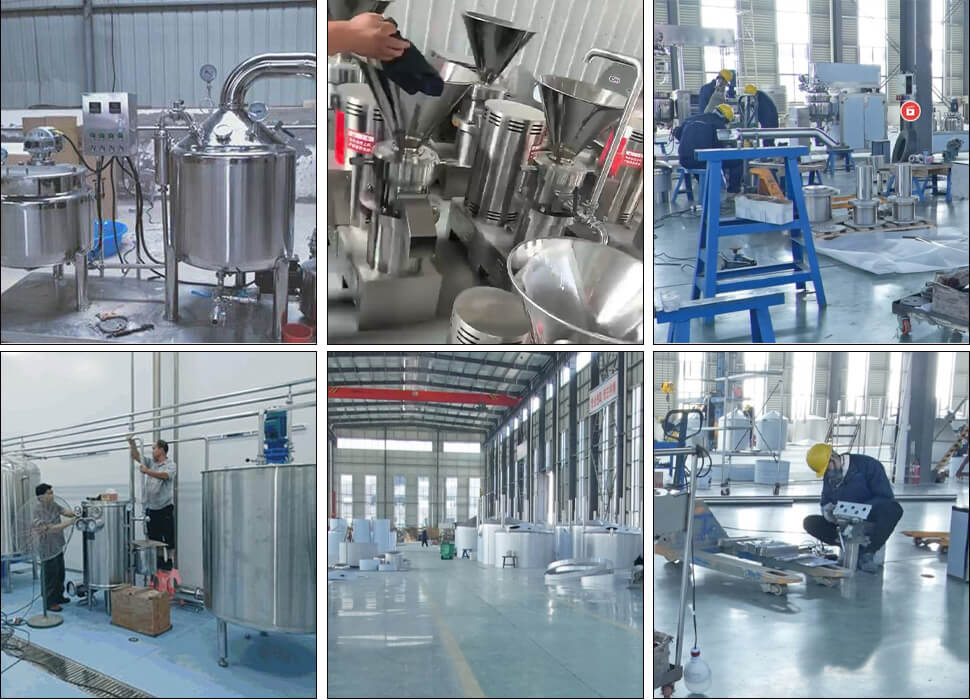
Wanzhi Machinery is a professional stainless steel tank manufacturer in China with a 15-year history. We have always operated with integrity.
- We are an original manufacturer with our own production facilities and a full range of processing equipment. We maintain full control over the entire production process, ensuring consistent product quality and performance.
- Based on information such as the customer’s site conditions and required storage capacity, we can recommend the most suitable stainless steel tanks and customize tanks of various volumes and heights.
- We provide dedicated support throughout the pre-sales, sales, and after-sales phases—from model selection advice and installation guidance to post-sales maintenance—and are always ready to respond to your needs.
A stainless steel transport tank is only as good as its weld quality, surface finish, and material grade. Match the steel to the product, specify the right accessories for your duty, and insist on documented testing before it ships.
Browse our full range of stainless steel tanks or talk to our engineers to get a custom transport tank proposal within 24 hours.
Related Products
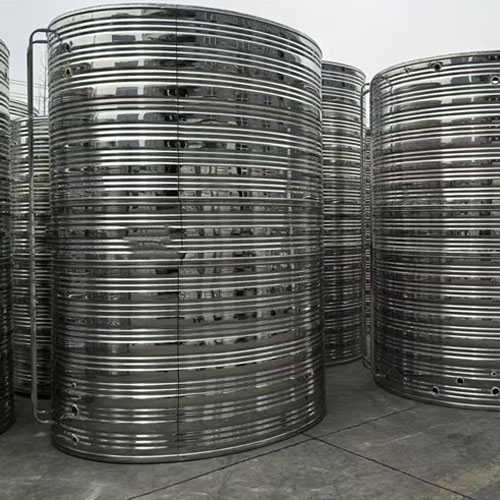
Cylindrical Stainless Steel Insulated Water Tank
Cylindrical Stainless Steel Insulated Water Tank Introduction The cylindrical stainless steel insulated water tank is…
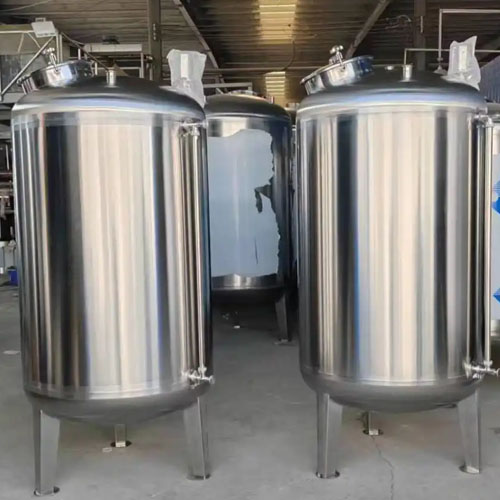
304 Stainless Steel Water Tank
304 Stainless Steel Water Tank 304 stainless steel water tank Introduction Our 304 stainless steel…
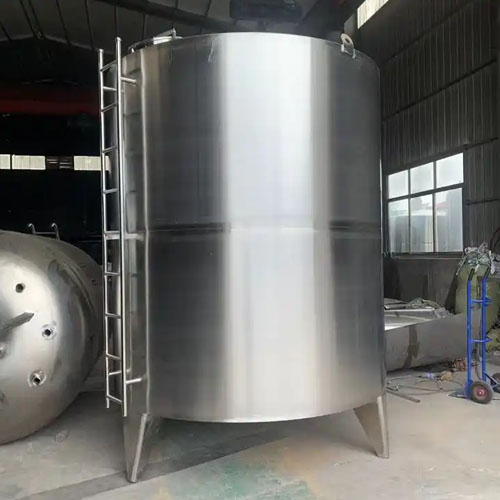
5000L Stainless Steel Storage Tanks
5000L Stainless Steel Storage Tanks 5000L Stainless Steel Storage Tank Introduction Our 5,000-liter stainless steel…
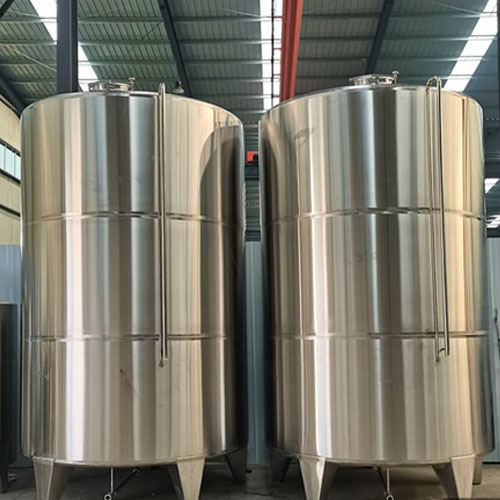
Vertical Stainless Steel Water Storage Tank
Vertical Stainless Steel Water Storage Tank Introduction Vertical stainless steel water storage tanks are the…
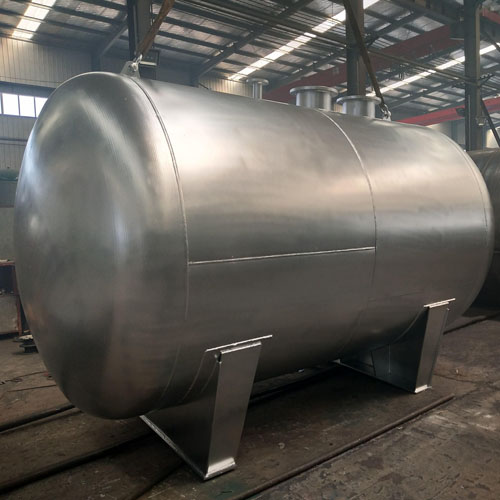
Horizontal Stainless Steel Water Tank
Horizontal Stainless Steel Water Tank Introduction Horizontal stainless steel water tanks are a common and…
Contact Us