
Is 316L stainless steel worth it for a brewery
A brewery lives and dies by its steel. Almost every surface that touches wort, beer, or cleaning chemical is stainless, and the grade you pick decides how long your tanks last and how clean your beer stays. The question most first-time brewery buyers ask is whether 316L stainless steel is worth the premium over the usual 304. The honest answer is that it depends on where the steel sits and what you push through it. This guide covers what 316L adds, where it earns its money in a brewery, and where 304 is the smarter buy.

Why breweries run on stainless in the first place
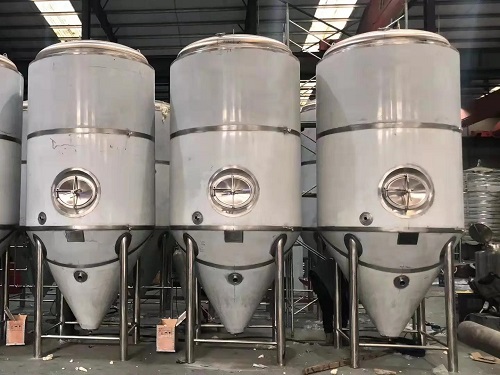
Stainless steel does three jobs a brewery cannot do without. It stays taste neutral, so the tank never bleeds iron or a metallic flavor into the beer. It has a smooth, non porous surface that bacteria cannot hide in, which keeps cleaning fast and reliable. And it shrugs off the things that would eat ordinary steel: heat, the mild acid in wort, and the caustic or acid cleaners used in every CIP cycle. Within stainless, 304 is the default food grade and 316L is the upgrade step most breweries consider when they spec tanks.
What 316L adds over 304
Both 304 and 316L are austenitic steels in the 300 series, so they share the basics: clean, strong, weldable, and food safe. The difference is molybdenum. 316L carries about 2 to 3 percent molybdenum, where 304 has none. That extra element is what resists pitting and crevice corrosion, the two failure modes that show up in breweries. Pitting starts where chlorides collect, in your water supply, in cleaning chemicals, and in coastal air. Crevice corrosion hides under gaskets, welds, and dead spots. The L in 316L means low carbon. Low carbon resists sensitization at the weld, so a welded 316L tank stays corrosion resistant right at the seam instead of rusting along the joint a year later. For a vessel that is welded, cleaned hard, and filled with acidic beer, that matters more than the spec sheet suggests.
Where 316L earns its money in a brewery
316L pays for itself anywhere the steel touches product for a long time or meets aggressive chemistry. Fermenters and bright tanks are the obvious cases: the beer sits there cold for days or weeks, acid and alcohol are present, and the tank gets hammered with cleaner between batches. Sour, kettle sour, and other low pH beers are even harder on steel, and 304 can pit faster under that acid.


Breweries on well water with high chloride, or anywhere near the coast where salt rides the air, should default to 316L on product contact. Any part that sees strong caustic or acid CIP on a tight cycle, and any heat exchanger surface, is also a good place for 316L. In those spots the upgrade is cheap insurance against a leaked batch or a tank you have to pull early.
Where 304 is enough
304 is not a compromise you should fear. Frames, platforms, guards, and other non contact parts never need 316L. On the cold side, with soft low chloride water and a gentle cleaning routine, many 304 tanks run for years without a problem. Plenty of small breweries brew on 304 fermenters and never look back. If the beer spends little time in contact, the cleaner is mild, and your water is friendly, 304 keeps the build on budget without giving up food safety. The real error is putting 304 where 316L should have gone.
The cost gap and when it pays back
316L costs more per ton than 304, often in the range of 20 to 40 percent on raw material. On a finished tank the gap is smaller than that number suggests, because fabrication, labor, and fittings dominate the price. In practice the upgrade might add a few hundred dollars to a small tank and a couple of thousand to a larger one. That is a small bet against a single failure. One pitted fermenter, one sour batch dumped down the drain, or one tank pulled out of service early costs more than the 316L premium many times over. If you brew sours or your brewery sits near the sea, treat 316L as standard rather than optional.
A simple way to decide
Use this checklist before you spec the steel. If the surface touches beer or wort, if you brew sour or acidic beer, if your water or air carries chloride, if your CIP is aggressive, or if the part is welded and hard to replace, choose 316L. If it is a frame, a guard, or a gentle cold side service with friendly water, 304 is fine. One practical note: keep the grade consistent across a tank so spares and cleaning stay simple. Mixing 304 and 316L in one vessel adds cost without real benefit.
How Wanzhi supplies 316L for breweries
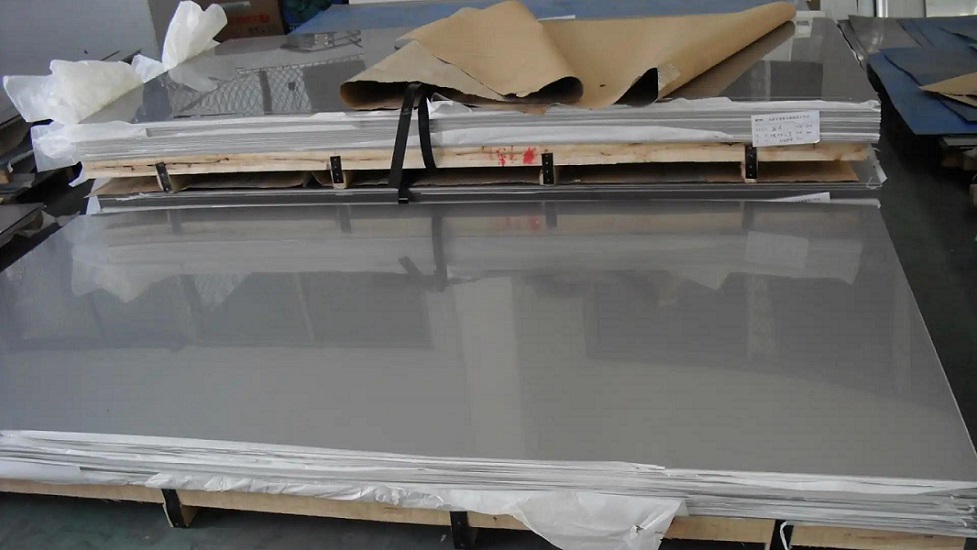
We stock 316L plate, coil, bar, and tube in food grade finishes, with ISO 9001 and SGS backing, so you can specify the exact form your fabricator needs. Our 316L stainless steel sheet covers the tank shells, our 304 stainless steel coil is there when 304 is the right call, and our marine grade 316 handles the harshest sites. The brewery vessels that put this steel to work, from beer fermentation tanks to mixing and blending tanks, are built by our sister equipment team, so the material and the fabrication come from one source. You can read about the mill behind it on our Wanzhi Steel about page.
Conclusion
316L is worth it for a brewery whenever the steel carries beer, meets acid or chloride, or sits in a welded seam you cannot easily replace. For frames and gentle cold side duty, 304 does the job and saves money. Decide by where the steel sits and what you run through it, and you end up with tanks that last without paying for grade you do not need. If you want the steel spec matched to your water report and your beer styles, send us both and we will quote 316L or 304 in the form your fabricator needs.
Inquiry Form
Latest Articles
Eddy current cleaning machine for fruit and vegetable
Parallel roller cleaning machine
Bubble Washing Machine for Vegetables vs Brush Washer
Stainless Steel Spherical Evaporator vs Other Methods
Honey Concentrator Machine: Uses, Types & How It Works
Latest Products
Product Categories
Colloid Mill
- Vertical Colloid Mill
- Split Colloid Mill
- Horizontal Colloid Mill
- Commercial Peanut Butter Machine
- Tahini Machine
- Chili Sauce Grinder
- Nut Butter Grinder
Stainless Steel Tank
- Milk Cooling Tank
- Stainless Steel Mixing Tank
- Cylindrical Stainless Steel Insulated Water Tank
- Horizontal Stainless Steel Water Tank
- Vertical Stainless Steel Water Storage Tank
- Stainless Steel Reactor
- Conical Fermentation Tank
Extraction Machine
Filling Machines
Tomato sauce Production Line
Contact Us
- Mobile/Wechat: +8618595716541
- Whatsapp: +8618736065220
- Email: info04@wanzhisteel.com
- Address: 10F, Building B, Erqi Center, Erqi District, Zhengzhou City, Henan Province, China