
Honey Concentrator Machine: Why and How to Use It
We build the honey concentrator machine to pull the extra water out of raw honey until it reaches a safe, shelf-stable moisture level. Our team at Wanzhi Machinery ships these to beekeepers, packers, and food plants in more than 100 countries. If you buy or harvest honey that sits above the safe moisture line, this guide walks through why the machine matters, how it works, and how to pick the right one.
Our honey concentrator runs low temperature vacuum evaporation, which protects flavor while hitting the commercial moisture target. Most buyers read this before they request a quote, and the numbers below come from our standard WZE build sheet.
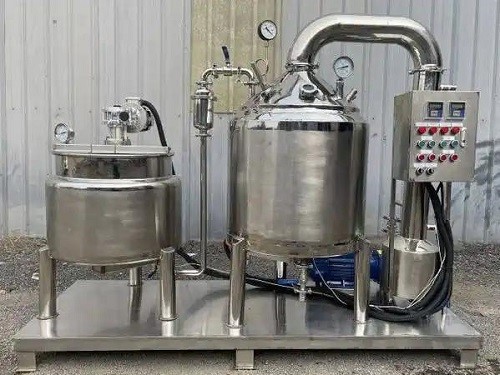
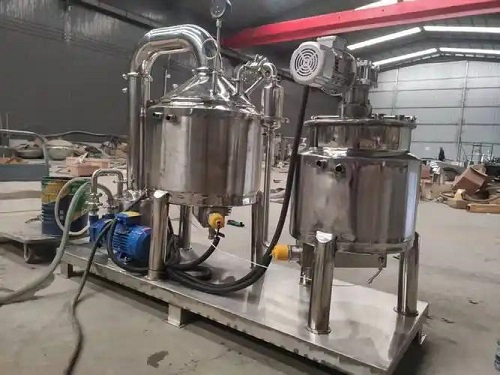
what is a honey concentrator
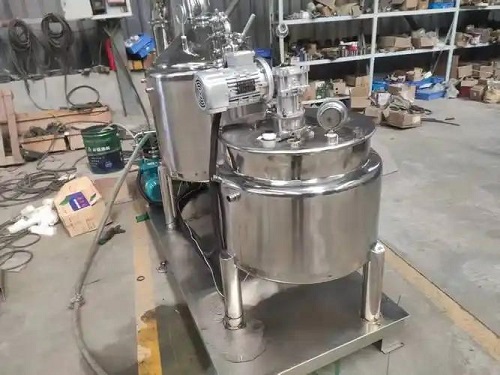
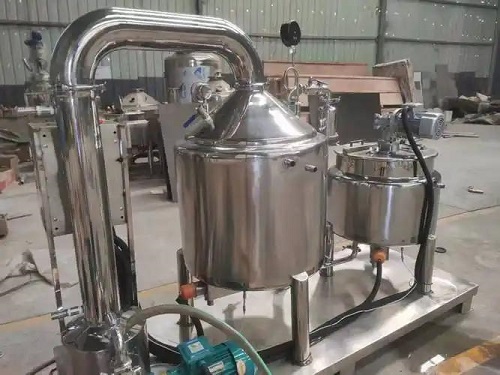
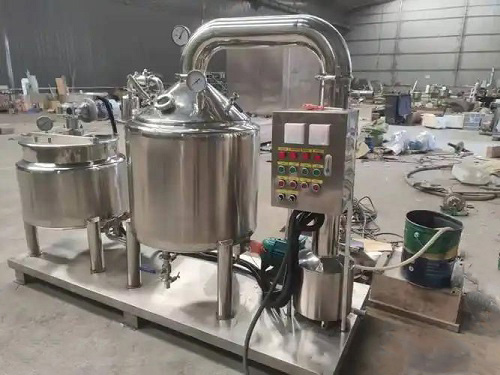
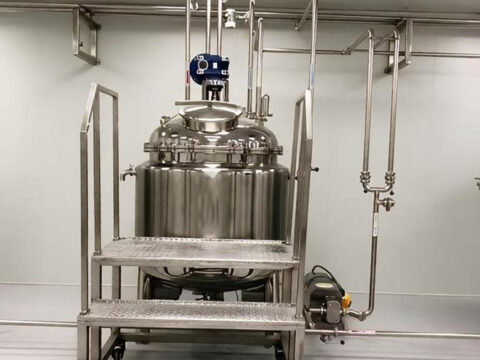
The honey concentrator machine we build is a food grade stainless unit that lowers the water content of honey under vacuum at low temperature. You feed it raw honey, it strips out moisture, wax, and pollen, and it sends out a stable product that meets the commercial moisture standard. It is the step that turns risky, high moisture honey into something stable and saleable, and it sits between harvesting and bottling on most modern lines.
key components
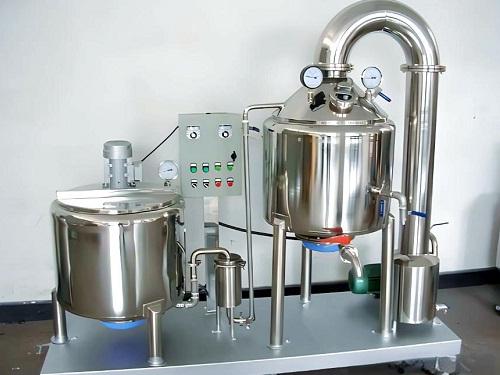
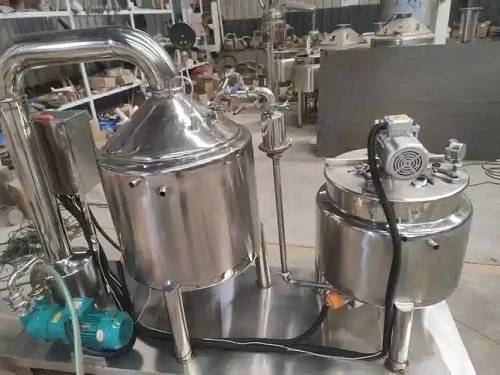
The whole unit brings six stations together:
- Mixing and heating tank. Preheats and blends the honey, and knocks down foam.
- Filter. Removes wax, pollen, and solids. We offer 80, 120, and 300 mesh screens.
- Vacuum concentrator. Evaporates water under reduced pressure at 40 to 50 C.
- Condenser. Turns the vapor back into water for recovery.
- Condensate tank. Holds the recovered water and keeps the loop clean.
- Discharge port. Releases the finished concentrate.
Round the skid out with a vacuum pump, chiller or cooling tower, control box, and CIP port, and add a mobile chassis if you need to roll the unit between rooms.
why use one
Raw honey straight from the comb often sits above the safe moisture line. Dropping that moisture is the difference between a product that ships and one that ferments in the drum, so the concentrator pays for itself on the first rejected lot it saves.
moisture content and fermentation risk
Honey above roughly 19 percent water can ferment because wild yeast finds enough free moisture to grow. Oklahoma State University Extension places honey moisture in the 17 to 21 percent range, so the margin is thin. A honey concentrator pulls the water down to 18 percent or below, which stops fermentation before it starts and protects the rest of the drum.
preserving enzymes aroma nutrients
Heat is the enemy of honey quality. Our unit evaporates at 40 to 50 C under vacuum, far below open pan heating. That low temperature protects the enzymes, aroma, and nutrients buyers pay a premium for, and export customers often ask for low heat treated honey by name.
raising grade and value
Concentrated honey meets the commercial standard in 1 to 2 hours and grades higher. A steady moisture reading also smooths blending and private label runs where the spec is fixed, so you ship fewer discounted drums and capture more of the price.
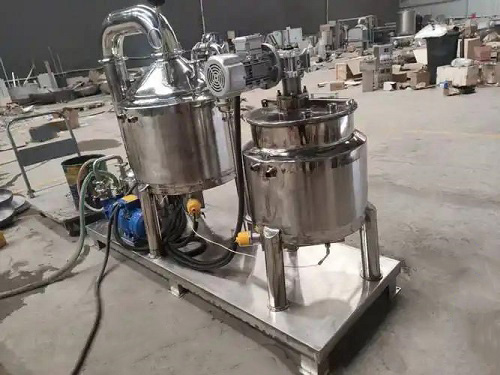
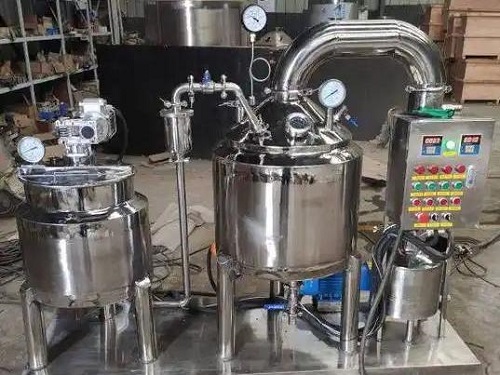
how it works
Here is how the honey concentrator machine gets the water out: it drops the boiling point with a vacuum, then warms the thin film just enough that water escapes without burning the sugar or the flavor. The cycle breaks into three steps:
- Vacuum lowers the boiling point. At reduced pressure, honey releases water at 40 to 50 C instead of the high heat an open pan would need.
- Heating and gentle agitation. The mixing tank warms the honey while the agitator keeps it moving, so every part of the batch touches the heated wall evenly.
- Condensation and vapor recovery. The vapor becomes water in the condenser and drops into the condensate tank, which keeps the room dry and shows how much moisture left.
vacuum lowers boiling point
At normal pressure honey would need high heat to release water, which burns sugar and kills enzymes. Pull the pressure down past 0.092 MPa and the same water leaves at 40 to 50 C. Lower pressure is why the flavor survives the cycle, and it is the figure our build sheet specifies for every WZE model.
heating and gentle agitation
The mixing tank heats the honey and the agitator keeps it moving so every part of the batch touches the heated wall. Even heat means no hot spots and no caramel notes, and the gentle motion stops the film from sticking to the evaporator surface.
condensation and vapor recovery
The vapor travels to the condenser, becomes water, and drops into the condensate tank. Recovering the water keeps the room dry and the system clean, and the volume collected shows you exactly how much moisture left the batch.
types or product range
We build the WZE line in four capacities, all in food grade 304 stainless steel, all running the same low temperature vacuum cycle. Each model scales the tank, pump, and heater while keeping the 40 to 50 C evaporation window, so the quality stays constant as you grow. See the full extraction machine range for other extraction and concentration units we build.
WZE-50/100/200/300 model table
| Model | Capacity (kg/h) | Vacuum pump (kW) | Temp | Vacuum | Heating (kW) | Mixing (kW) | Preheat pot (L) | Concentrate (L) |
| WZE-50 | 50 | 0.75 | <50 ℃ | >0.092 MPa | 8 | 0.55 | 50 | 50 |
| WZE-100 | 100 | 1.1 | <50 ℃ | >0.092 MPa | 15 | 0.55 | 100 | 100 |
| WZE-200 | 200 | 2.2 | <50 ℃ | >0.092 MPa | 24 | 0.55 | 200 | 200 |
| WZE-300 | 300 | 2.2 | <50 ℃ | >0.092 MPa | 36 | 0.55 | 300 | 300 |
Pick by hourly throughput. A 50 kg/h unit suits a small packer, while 300 kg/h feeds a full plant line, and we customize volumes when a layout calls for it.
related vacuum concentration equipment
The same vacuum principle runs our stainless steel spherical evaporator, which lists honey among its applications. For larger plant scale, our extraction and concentration unit handles thermal reflux extraction and concentration on a bigger footprint, so the concentrator slots in beside it without reworking the flow.
how to use it
Running the honey concentrator machine is easy once the recipe is set. It is basically a one button job, and the steps below take you through a standard batch from raw honey to a clean tank.
preheat and load
Warm crystallized honey in the preheating pot at 40 to 45 C to thin it, then pump it into the mixing tank. Load below the working volume so there is room to agitate, and give crystallized lots the longer warm up they need.
filter
Send the honey through the filter to drop wax and pollen before it enters the concentrator. Clean mesh screens, 80, 120, or 300, keep the evaporator from fouling and protect the finished clarity.
vacuum concentrate
Close the lid, pull the vacuum past 0.092 MPa, and heat to 40 to 50 C. The batch reaches the 18 percent moisture standard in 1 to 2 hours. The PLC holds temperature and vacuum steady, so one operator runs several units at once.
discharge and clean/CIP
Open the discharge port to draw off finished honey. Then run the CIP port and spray ball to sanitize the tank, pipes, and filter before the next batch, which keeps every run hygienic.
how to choose the right honey concentrator
Match the honey concentrator machine to your daily volume and your hygiene needs before you ask for a quote, and we will review the spec against these points before we build.
capacity kg/h vs batch
Capacity is rated per hour, not per fill. A 100 kg/h unit clears roughly 100 kg of raw honey each hour at the set moisture drop, so a 500 kg harvest takes about five run hours. Size from your harvest peak, not your average day, or you will wait on the machine during the busy weeks.
material 304 SS
Specify food grade 304 stainless for every honey contact part. It resists corrosion, passes audit, and cleans fast, which is a firm requirement for export rather than an option.
vacuum level and temp
Confirm the vacuum holds above 0.092 MPa and the temperature stays under 50 C. Those two numbers protect enzymes and set your cycle time, so they belong in the purchase order in writing.
PLC and CIP
PLC automatic control with one button operation cuts labor and records each batch for traceability. A CIP port makes cleaning a routine step rather than a teardown, which keeps the line running.
budget and total cost of ownership
Look past the sticker. Energy use, clean time, and yield decide the real cost, and a closed, automated unit pays back on the drums you no longer reject or discount.

who uses it
The honey production line and standalone concentrators serve three buyer groups, and each buys a honey concentrator machine for a different reason tied to a tight moisture band.
commercial beekeepers
Large apiaries harvest honey that varies in moisture by season and region. A concentrator lets them stabilize every drum to a safe line instead of selling at a discount, and the National Honey Board tracks the market these producers feed. Seasonal blooms swing moisture, and the unit flattens that swing into a consistent product.
private-label export packers
Packers bottling for overseas clients need a consistent moisture reading and a clean audit trail. PLC traceability and 304 stainless meet most export specs, and the fixed moisture band keeps the label claim honest.
food/pharma processors
Honey used in formulas, syrups, and coatings must hold a tight moisture band so the next step behaves. The concentrator’s 40 to 50 C cycle protects the functional properties the downstream process depends on.
FAQ
No. The unit evaporates at 40 to 50 C under vacuum, well below open pan heating. That low temperature keeps enzymes and vitamins intact and limits nutrient loss, which is the point of the vacuum cycle.
Most raw honeys work, including acacia and jujube. Crystallized honey should be preheated in the preheating pot at 40 to 45 C to thin it before concentration so the pump and filter do not strain.
The control system monitors concentration and lets you set temperature and vacuum. You adjust the vacuum level and temperature to hold a steady moisture for each batch, and the PLC records the run.
We use food grade 304 stainless steel for every part that touches honey. It resists corrosion, meets hygiene standards, and is easy to clean, which protects the product and the audit.
Yes. Honey contact parts, the evaporator, pipes, and filter should be cleaned after each batch. The CIP port and spray ball make that a quick routine rather than a teardown.
Ready to size your honey concentrator? Send us your hourly volume, starting moisture, and target, and our engineering team will return a WZE model recommendation and a quote. We build every unit in food grade 304 stainless with PLC control, CIP, and the low temperature vacuum cycle your honey needs.
Inquiry Form
Latest Articles
Bubble Washing Machine for Vegetables vs Brush Washer
Stainless Steel Spherical Evaporator vs Other Methods
Honey Concentrator Machine: Uses, Types & How It Works
Herb Extraction Machine: How It Works and Types
Jacketed Stainless Steel Mixing Tank: How to Choose
Latest Products
Product Categories
Stainless Steel Tank
- Stainless Steel Wine Tanks
- Stainless Steel Water Storage Tank
- Stainless Steel Fermentation Tanks
- Stainless Steel Jacketed Kettle
- Pasteurizing Machine
Meat Processing Machine
Fruit and VegetableProcessing Machinery
Oil Press Machines
Colloid Mill
Extraction Machine
Packaging Machinery
Contact Us
- Mobile/Wechat: +8618595716541
- Whatsapp: +8618736065220
- Email: info04@wanzhisteel.com
- Address: 10F, Building B, Erqi Center, Erqi District, Zhengzhou City, Henan Province, China