
Double vs single channel pulping machine
Pulping is the step that turns washed, crushed fruit into smooth pulp while pushing the skins, seeds and pits out the waste chute. Wanzhi Machinery builds this as two models that share the same working principle but differ in layout: the single channel pulping machine runs one drum, and the double channel pulping machine runs two. Both sit in the wider fruit and vegetable processing machinery range. This comparison covers how each works, the published specifications, and the points that decide which one belongs on your line.
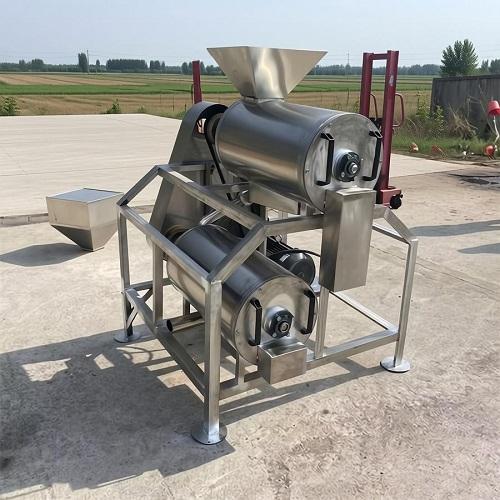
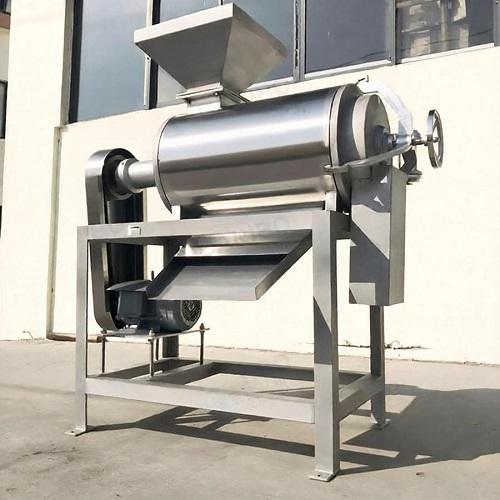
what a pulping machine does
Both models work the same way at the heart of the process. Crushed or cooked fruit enters the drum, a spinning scraper presses it against a perforated screen, and the soft pulp and juice pass through the holes into a collection chamber below. Skins, seeds and pits stay on the screen and slide out through the slag outlet. The scraper runs at 410 rpm with a helix angle you can set between 0 and 5 degrees, which changes how hard the material is worked and how fine the result gets. Screens are quick to change, with apertures from 1 mm up to 15 mm, so one machine covers a coarse pass and a fine pass by swapping the mesh rather than the unit.
That single principle is why both machines de-stone and de-skin in one pass with no separate pitting step. The difference starts with how many drums sit inside the housing.
what “channel” means in this machine
The word channel refers to the drum and its screen. One drum and one screen define the single channel model, so it processes one texture at a time. The double channel version holds two drums side by side, each with its own scraper and screen, and each driven by its own motor.
Two drums open two ways to run the work. Set them as a coarse screen followed by a fine screen and the fruit gets refined in two steps without leaving the machine, which gives a smoother final pulp. Or run the two drums on two fruits at the same time and double the work from the same floor space. Because the channels are independent, one side can be opened for a screen change or to clear a jam while the other keeps running. The single channel model cannot do either of those, but its simpler build is part of why it costs less.
double channel pulping machine (DJ2) at a glance
The DJ2 is the two-drum model. Published specifications list a processing range of 500 to 1000 kg per hour, driven by two 3 kW motors, one per drum, with a 1400 rpm drive and the beaters turning at 410 rpm. The frame is 304 stainless steel, weighs about 300 kg, and uses food grade rubber seals.
Its strength is flexibility. The two drums take a coarse and a fine screen in series for a smoother pulp, or run two products in parallel for higher total throughput. Wanzhi lists the DJ2 as the model for de-nucleating and pulping mango, peach and apricot, because the first drum can strip the stone while the second refines the flesh. For a line that runs several fruits through a season, that second drum is what keeps output up when one screen needs changing.
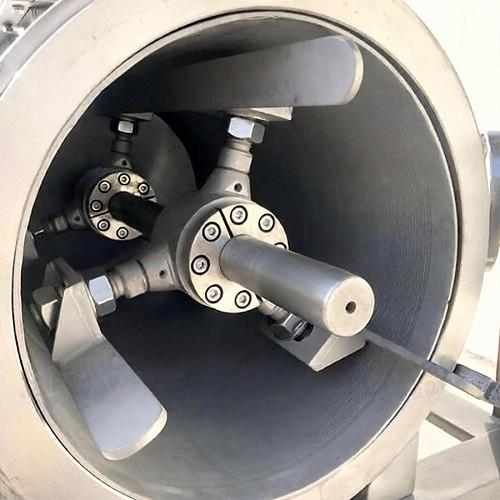
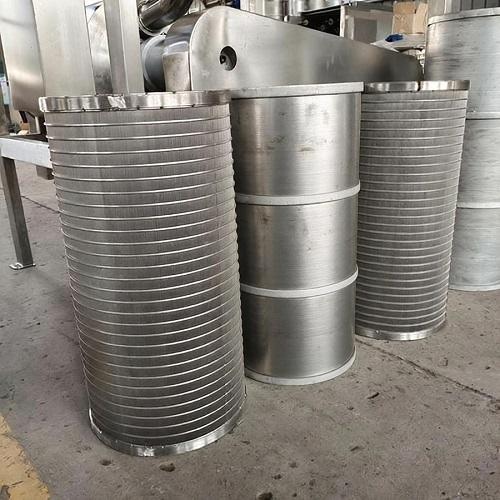
single channel pulping machine (DJ1) at a glance
The DJ1 is the one-drum model. Its published range is 200 to 600 kg per hour from a single 3 kW motor, with the same 1400 rpm drive and 410 rpm beater speed as the DJ2. The frame is 304 stainless steel, weighs about 200 kg, and is the smaller of the two on the floor.
This model suits a single fruit type at a steady, modest volume, where one texture covers the whole run. One drum means one screen to choose, one chamber to open, and a lower purchase price than the two-drum version. It still separates pulp from skin, seed and pit in one pass, and the quick change screens let you shift texture between batches. For a jam kitchen or a small juice line built around one product, the DJ1 does the job without paying for capacity it will not use.
double channel vs single channel: the main differences
| Point | Single channel (DJ1) | Double channel (DJ2) |
| Drums | 1 | 2 (independent) |
| Throughput | 200 to 600 kg/h | 500 to 1000 kg/h |
| Motor power | 3 kW | 3 kW + 3 kW |
| Weight | about 200 kg | about 300 kg |
| Best for | one fruit, steady volume | mixed fruit, higher volume |
| Price position | lower | higher |
Throughput and power separate the two most. The DJ2 starts where the DJ1 tops out, and its second motor drives the extra drum rather than a bigger single one. Footprint grows with the second drum, and so does washdown time, though each channel opens on its own. The DJ1 wins on price and simplicity; the DJ2 wins on capacity and on keeping one lane running while the other is serviced. Pick the DJ1 when one product fills the schedule, and move to the DJ2 when volume climbs or the fruit changes week to week.
where the pulper fits in your fruit line
The pulper is one machine in a longer chain, not a standalone step. Fruit is washed first, often in an industrial bubble washer, then broken open in a large fruit and vegetable crusher so the pulp can release, then pulped, then held in a stainless steel mixing tank before filling or cooking. Root vegetables such as carrot and potato are usually peeled first in a bristle roller peeling and washing machine before they reach the drum.
The pulper sits in the middle, and its screen size sets the final texture of the product. Tomato is the classic load, feeding a small tomato sauce production line, and a Togo customer case with a colloid mill for tomato sauce shows how the grinding step pairs with pulping downstream. Tell us the fruit, the target tonnes per hour, and the texture, and we will size the screens and motor and quote the pulper with the washer, crusher and tank as one line. Related grinding equipment sits with our colloid mills when you need a finer emulsion after pulping.
food safety and washdown between batches
Fruit pulp is a food product, so the contact surfaces and the cleaning routine carry as much weight as the throughput. All food contact parts on both models are 304 stainless steel, which resists fruit acid and rinses clean between runs, with food grade rubber seals. The chamber opens so you can wash it down rather than leaving residue in a closed housing.
Food safety guidance backs the same habit. The WHO five keys to safer food manual sets out five rules for any food business: keep clean, separate raw and cooked, cook thoroughly, keep food at safe temperatures, and use safe water and raw materials. For produce, the FDA safe food handling guidance makes the same point, where washing hands and surfaces and keeping raw and ready separate is the routine that keeps a line running. Rinse the drum and screen after every run and avoid metal brushes on the stainless, since wire marks then hold residue. The steel for the body comes from the same group mill that supplies 304 stainless steel coil, so the grade traces back to the mill.
faq: double channel vs single channel pulping machine
The single channel model (DJ1) has one drum and one screen. The double channel model (DJ2) has two independent drums, which can run a coarse screen then a fine screen in series, or process two fruits at the same time. Both share the same scraper and screen pulping principle.
The DJ2 reaches 500 to 1000 kg per hour, while the DJ1 runs 200 to 600 kg per hour. The DJ2 starts where the DJ1 tops out, and its second 3 kW motor drives the extra drum rather than a larger single unit.
Yes. Because the two drums are independent, you can run two different fruits on the two channels at once, or use one channel while the other is opened for a screen change or jam clear.
All food contact parts on both the DJ1 and DJ2 are 304 stainless steel with food grade rubber seals. The body steel traces back to the group mill that supplies 304 stainless steel coil. For salty or acidic lines, 316L is the upgrade.
It sits between the crusher and the mixing tank. Fruit is washed, crushed, then pulped, then held in a tank before filling or cooking. The screen size sets the final texture.
Open the chamber, rinse the drum and screen with water after every run, and avoid metal brushes on the stainless surfaces because wire marks hold residue. Quick change screens let you swap aperture between batches.
Inquiry Form
Latest Articles
Sesame Grinding Machine for Tahini: How to Choose
Meatball Former for Fish Balls and Meat Paste
Meatball forming machine how to choose
Horizontal vs Vertical Stainless Steel Tank
Sesame Peanut Butter Machine
Latest Products
Product Categories
Stainless Steel Tank
- Stainless Steel Wine Tanks
- Stainless Steel Water Storage Tank
- Stainless Steel Fermentation Tanks
- Stainless Steel Jacketed Kettle
- Pasteurizing Machine
Meat Processing Machine
Fruit and VegetableProcessing Machinery
Oil Press Machines
Colloid Mill
Extraction Machine
Packaging Machinery
Contact Us
- Mobile/Wechat: +8618595716541
- Whatsapp: +8618736065220
- Email: info04@wanzhisteel.com
- Address: 10F, Building B, Erqi Center, Erqi District, Zhengzhou City, Henan Province, China