
Vacuum packaging machine buying guide: single vs double chamber vs rolling
Purchase of a vacuum packaging machine may seem simple, until you stand in front of three different machines and try to decide which one can recoup the cost. This guide will introduce the three types you will compare: single chamber vacuum sealing machine, double chamber vacuum packaging machine, and roller belt type. Read through it thoroughly, and before requesting a quote, you will know which one suits your sales volume, product, and budget.
What a vacuum packaging machine does
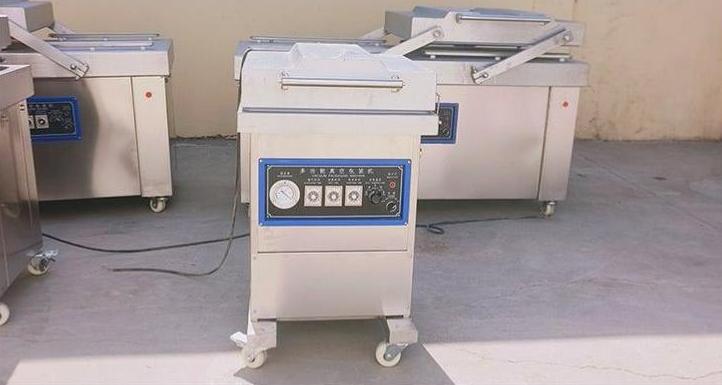
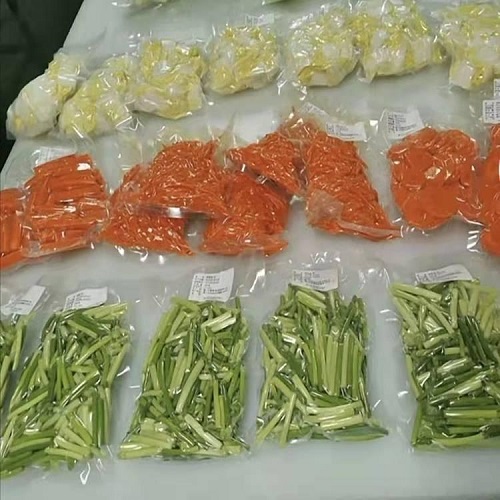
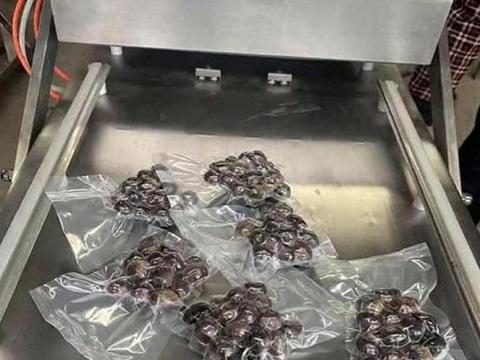
A vacuum packaging machine pulls air out of a pouch, then seals it so the product sits in a low oxygen pack. Less oxygen means slower bacterial growth and less oxidisation, so food keeps longer, travels better, and wastes less. The same low oxygen pack also protects parts, documents, and dry goods from moisture and corrosion. The aim is the same one described under food preservation: slow the things that spoil food.
The three types at a glance
Most buyers compare the same three machines. The single chamber sealer is the small, low cost start. The double chamber vacuum packaging machine is the busy-line workhorse. The rolling (belt) machine is the high volume continuous packer. The rest of this guide explains each one and then puts them side by side.
Single chamber vacuum sealer
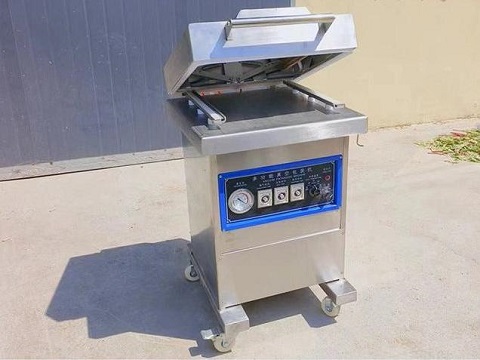
The single chamber vacuum sealer is the entry point. One chamber, one seal bar, one load and unload cycle per pack. You place the pouch, close the lid, the machine evacuates and seals, then you open and remove. It is the right call for low to mid volume: a deli, a small butcher, a kitchen that packs a few hundred packs a day. The upside is price and footprint. The limit is throughput, because the chamber only works while it is closed. See the single chamber vacuum sealer we build.
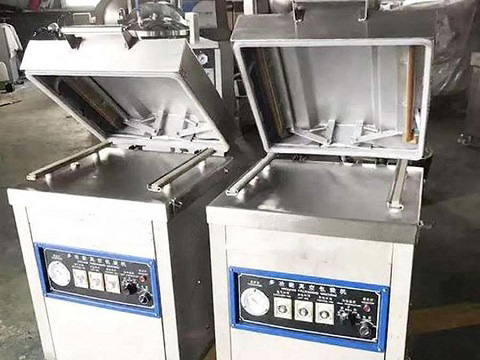
Double chamber vacuum packaging machine
A double chamber vacuum packaging machine is the workhorse for a busy line. It has two chambers sharing one pump. While one chamber evacuates and seals, the operator loads the other. That overlap cuts idle time and roughly doubles the packs per hour you get from the same floor space. If your volume has grown past what a single chamber can hold, or you run several products back to back, the double chamber model is where the maths starts to favour it. This is the double chamber vacuum packaging machine we supply, and most mid size processors land here.
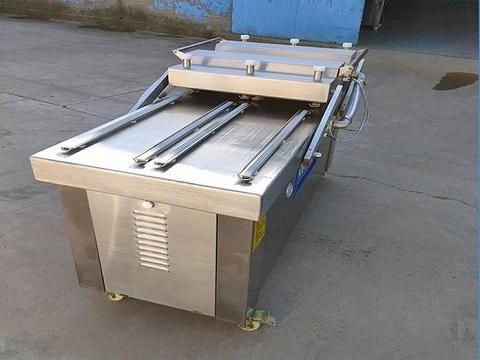
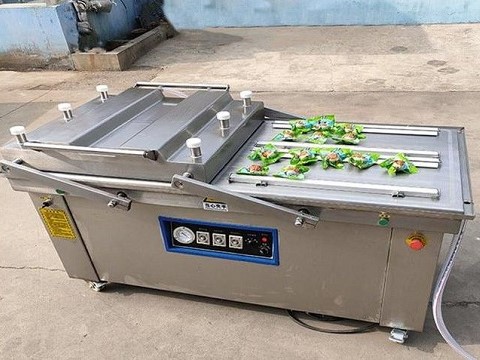
Rolling vacuum packaging machine
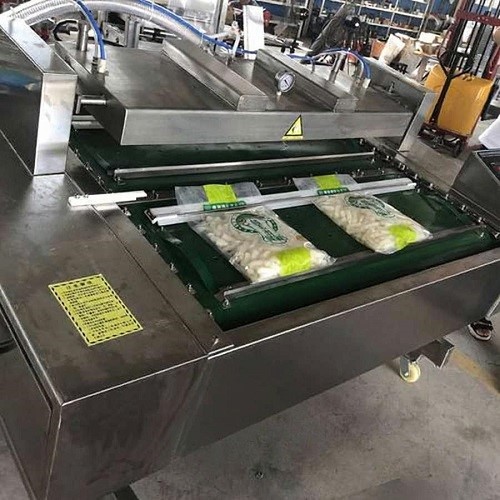
Rolling (belt) vacuum packaging machine drops the chamber lid altogether. Pouches ride a belt through a long vacuum tunnel and come out sealed in a continuous flow. There is no lid to open and close, so it is built for high volume: large meat plants, frozen food lines, anything that packs thousands of units a shift. The trade off is size, cost, and the need for a steady supply of matched pouches. See the rolling vacuum packaging machine for the continuous model.
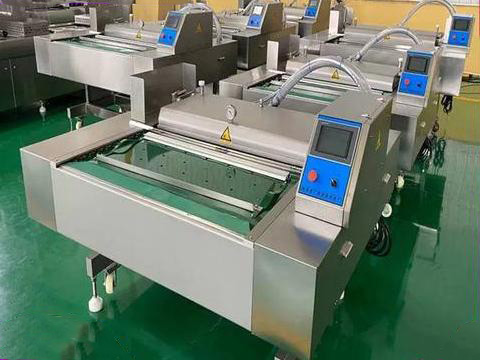
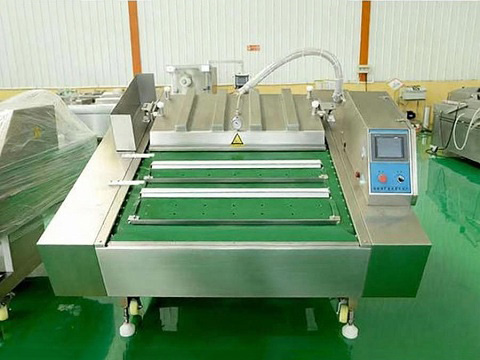
Single vs double chamber vs rolling: comparison
| Type | Best for | Throughput | Footprint | Relative cost |
|---|---|---|---|---|
| Single chamber | Low to mid volume, one product at a time | Low | Small | Low |
| Double chamber | Busy lines, mixed products | Medium to high | Medium | Medium |
| Rolling belt | High volume, continuous runs | High | Large | High |
The short version: single chamber if you pack a few hundred a day, double chamber if you have grown past that and need to keep packing while you load, rolling if you run a line that never stops.
How to choose: a buying checklist
Start with packs per hour, not price.Work out your busiest day and adjust the size of the machine accordingly, not the average. Then check the chamber or belt width against your largest pouch and product. Then decide on options: a gas flush (modified atmosphere) if you pack fresh produce or cheese, a deeper chamber for bulky items, and the seal bar length for your pouch width. For low volume or odd shapes, an external vacuum sealing machine that seals pouches from outside the chamber is a cheaper start. Match the pump capacity to the chamber volume, because a small pump on a big chamber means long cycle times.
For food packed for resale, build your process around a documented food safety plan. The FDA food program sets the baseline expectations for handling and packaging in the US market, and most buyers ask for the same controls wherever they sell.
What to check before you buy
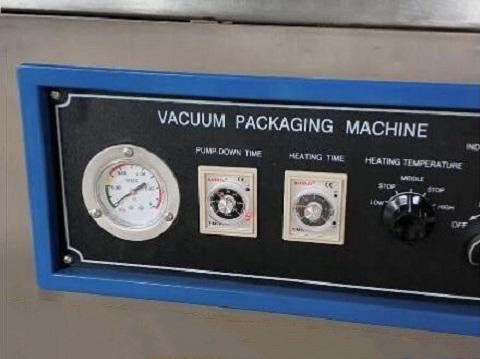
Check the pump. The vacuum pump sets how fast the chamber empties, and a busier line needs a bigger pump or a rotary vane unit that holds up in daily use. Check the chamber dimensions against your real pouch, not the brochure photo. Check whether the machine takes gas flush if you will pack fresh or fragile items. Check the build: stainless steel contact parts, a seal bar you can change without tools, and a supplier who stocks the spares. And check service: a vacuum line that stops costs more in a day than the saving on a cheaper unit.
Common mistakes buyers make
Buying size for the average day instead of the peak. Forgetting the pouch width against the seal bar. Skipping gas flush because it looks like an extra, then losing the fresh produce business. And buying a chamber too small, then packing two pouches where one would fit. Most of these show up in the first month, which is why the checklist above is worth ten minutes before you order.
Conclusion
Pick by volume first. Low and steady, start with a single chamber vacuum sealer. Busy and varied, move to a double chamber vacuum packaging machine. High and continuous, go rolling. If you tell us your packs per hour and your product, we will size the chamber, pump, and seal bar and quote the machine with the rest of your line. Browse the packaging machinery range to see the full set.
Inquiry Form
Latest Articles
Vacuum packaging machine buying guide
High Shear Emulsifier
Colloid mill for peanut butter, tomato sauce and chili paste
How to choose a stainless steel wine fermentation tank
Vertical round bottle adhesive labeling machine
Latest Products
Product Categories
Stainless Steel Tank
- Stainless Steel Wine Tanks
- Stainless Steel Water Storage Tank
- Stainless Steel Fermentation Tanks
- Stainless Steel Jacketed Kettle
- Pasteurizing Machine
Meat Processing Machine
Fruit and VegetableProcessing Machinery
Oil Press Machines
Colloid Mill
Extraction Machine
Packaging Machinery
Contact Us
- Mobile/Wechat: +8618595716541
- Whatsapp: +8618736065220
- Email: info04@wanzhisteel.com
- Address: 10F, Building B, Erqi Center, Erqi District, Zhengzhou City, Henan Province, China