
Round bottle labeling machine: how it works and how to choose
Round bottle labeling machine puts a self-adhesive label on the curved side of a cylindrical bottle. If you bottle sauce, drink, oil, or cosmetic fluid, the label is the first thing a buyer reads, so the machine that applies it matters. This guide explains how a round bottle labeler works, the parts that do the work, the difference between automatic and semi-automatic units, and how to choose one that fits your bottle, your label, and your daily volume. Read it and you will know which model to ask a quote for.
What a round bottle labeling machine does
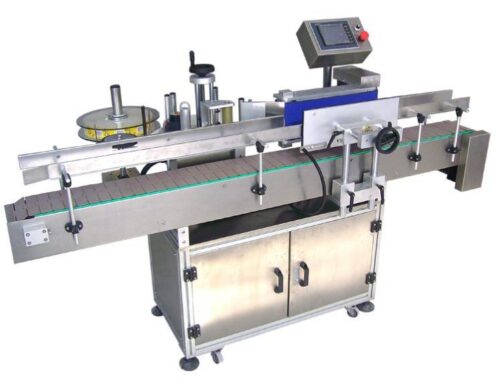
A round bottle labeling machine wraps or places a pressure-sensitive label around the body of a cylindrical container. It handles water bottles, sauce jars, oil bottles, shampoo, and any round or near-round container that needs a sticker on the side. The machine pulls the label from a roll, peels it off the backing paper, and presses it onto the bottle as the bottle turns past the labeling head. The result is a straight, bubble-free label at a set position every time, which keeps your line moving and your packs shelf ready. For the full spec, see the automatic round bottle labeling machine we build.
How a round bottle labeler works
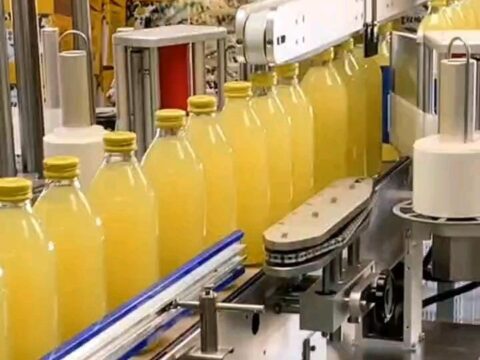
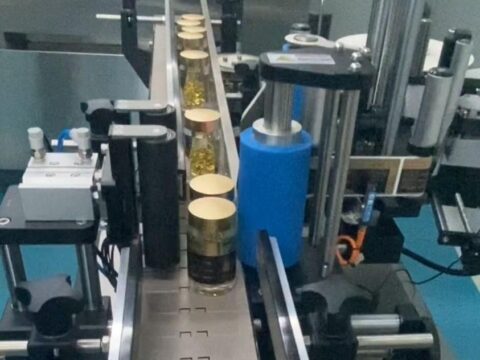
The cycle is straightforward. Bottles arrive on a conveyor and a separator wheel spaces them so they do not touch. A sensor detects each bottle and tells the controller to release one label. The label feeds from the roll over a peeler plate, which bends the backing so the label lifts away. A wrap roller then turns the bottle against the label, rolling it on without creases. The controller counts labels and can stop the run at a set count. On the automatic model we build, a servo motor drives the label feed and a PLC runs the whole sequence, so speed stays steady and the label lands in the same place on every bottle.
The main parts of a labeling machine
Label roll holder and peeler plate sit at the front: the roll mounts on a mandrel and the peeler plate separates each label from its backing. The conveyor and bottle separator move bottles through and space them for a clean application. The labeling head, driven by a servo or stepper motor, pulls the label to the exact length. The wrap or press roller turns the bottle so the label wraps without folds. A PLC and touchscreen let you set speed, count, and label length, and they show faults when something drifts. On our units the frame is stainless steel, which suits food and cosmetic lines and washes down between runs.
Automatic vs semi-automatic: which to pick
The automatic round bottle labeling machine, model OLV, runs 80 to 180 bottles a minute. It handles bottle diameters from 16 to 100 mm and heights from 30 to 150 mm, labels 15 to 260 mm long and 16 to 80 mm wide, and uses a servo motor with PLC control. It is built for steady, high volume runs and ties into a filling and capping line. The semi-automatic round bottle labeling machine, model F-50, is the lower cost start: it labels 25 to 50 pieces a minute, takes bottle outside diameters from 10 to 150 mm, labels 15 to 315 mm long and 8 to 150 mm wide, runs on 120W at 220 or 110V, and weighs 25 kg. You place the bottle by hand, which suits short runs, samples, and frequent format changes. Pick automatic when volume is steady across shifts; pick semi-automatic when you label a few hundred bottles a day or switch products often.
Key specifications to check before you buy
Check the bottle diameter and height against your real container, not the sample you show us. The automatic takes 16 to 100 mm diameter and 30 to 150 mm height; the semi-automatic takes 10 to 150 mm outside diameter. Check the label size: width and length must fit the labeler, with the automatic at 16 to 80 mm wide and 15 to 260 mm long, and the semi-automatic at 8 to 150 mm wide and 15 to 315 mm long. Check the label roll, because the core and outer diameter have to mount: our units take a 76 mm core, the semi-automatic also lists 45 mm, and rolls up to 250 to 300 mm outer. Check speed against your peak day, with 80 to 180 a minute automatic and 25 to 50 a minute semi-automatic. And check power, 220V 50Hz on both, at 1KW automatic and 120W semi-automatic, so your supply matches.
How to choose: a buying checklist
Start with daily bottles. If you run into the thousands a day on shifts, the automatic pays for itself. If you are under a few hundred an hour and change formats, semi-automatic is enough. Then match the bottle: diameter and height to the spec. Then the label: width, length, and roll core. Then the line: does the labeler need to sit after a filler and before a capper? Then the extras, a coding device for date and batch printing, and spare parts you can get fast. Both the automatic round bottle labeling machine and the semi-automatic unit list these specs, so set your numbers against theirs before you order.
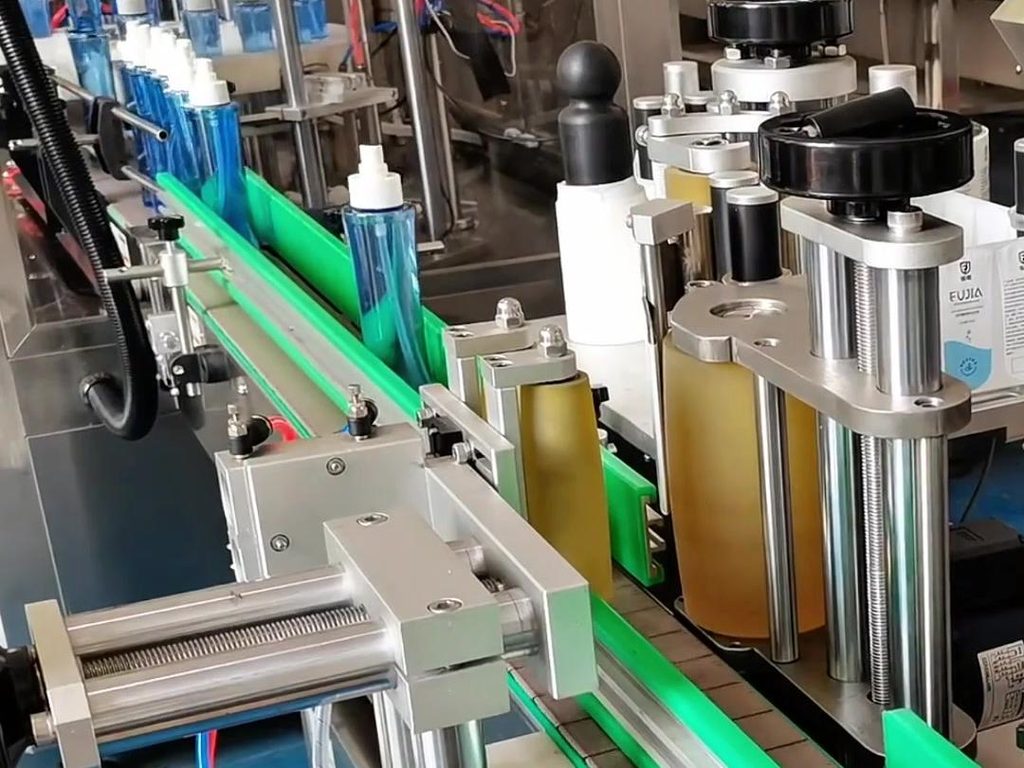
Where the labeler fits in a bottling line
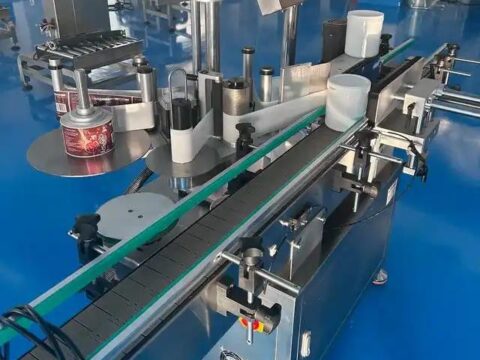
A labeler usually sits after filling and before or after capping, depending on the pack. In a sauce or drink line it follows the filler, labels the filled bottle, then passes to a capper or cartoner. Because it uses a sensor and PLC, it can start and stop with the rest of the line. For lines that pack for resale, the label itself has to meet the rules where you sell. In the US, the FDA food program sets what must appear on a food or drink label, from the product name to the nutrition panel, and most export buyers expect that level of detail. The wider point, keeping packaged food safe and stable, is the same one described under food preservation.
Common mistakes buyers make
Buying on top speed instead of the speed you need, then paying for capacity that sits idle. Forgetting bottle height when the spec lists diameter only, so tall slim bottles jam. Ignoring the label roll core size, then the roll will not mount. Skipping the coding option, then hand stamping dates later. And treating the labeler as standalone when it should sync with the filler and capper.
Conclusion
Pick by volume and bottle first. Small and changing, the semi-automatic round bottle labeling machine gets you labeling for little outlay. Steady and fast, the automatic round bottle labeling machine earns its place on the line. Check the diameter, height, and label size against the numbers above, decide if you need coding, and match power to your supply. Tell us your bottle, your label, and your daily count, and we will size the head, the roll holder, and the conveyor and quote the machine with the rest of your line.
Inquiry Form
Latest Articles
Round bottle labeling machine: how it works and how to choose
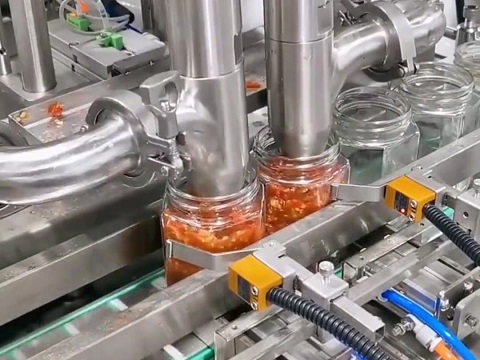
How to choose a paste filling machine for sauce and ketchup
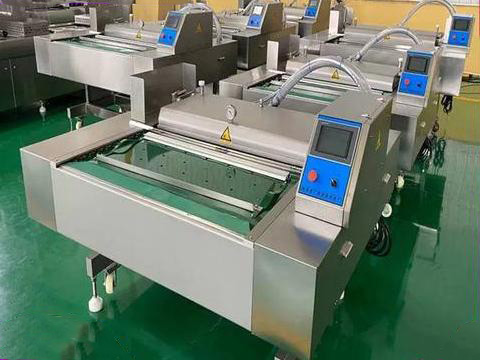
Vacuum packaging machine buying guide
High Shear Emulsifier
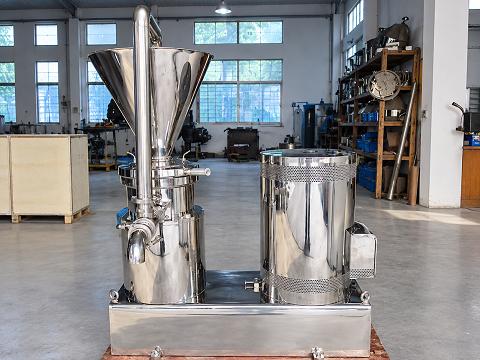
Colloid mill for peanut butter, tomato sauce and chili paste
Latest Products
Product Categories
Stainless Steel Tank
- Stainless Steel Wine Tanks
- Stainless Steel Water Storage Tank
- Stainless Steel Fermentation Tanks
- Stainless Steel Jacketed Kettle
- Pasteurizing Machine
Meat Processing Machine
Fruit and VegetableProcessing Machinery
Oil Press Machines
Colloid Mill
Extraction Machine
Packaging Machinery
Contact Us
- Mobile/Wechat: +8618595716541
- Whatsapp: +8618736065220
- Email: info04@wanzhisteel.com
- Address: 10F, Building B, Erqi Center, Erqi District, Zhengzhou City, Henan Province, China